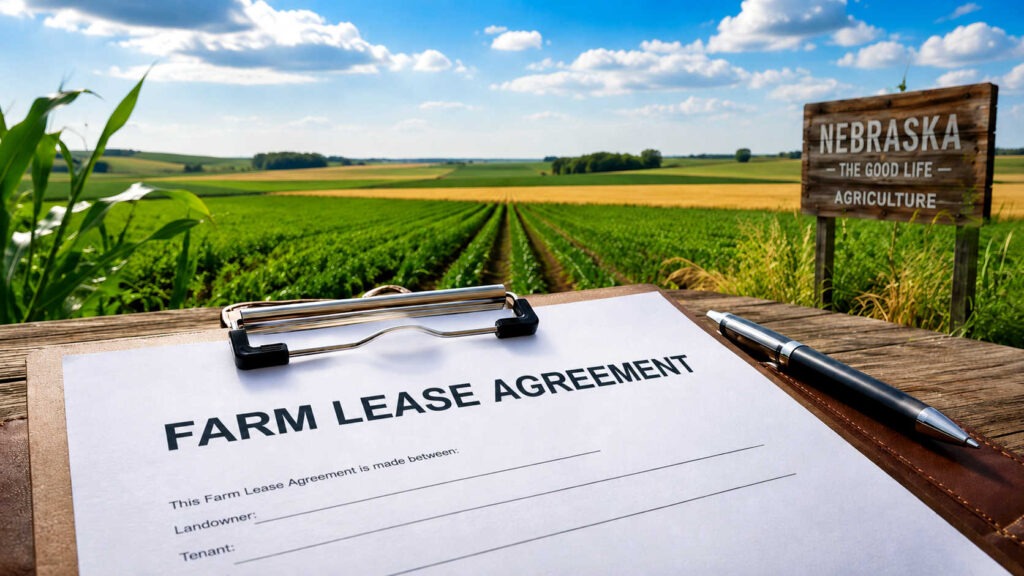
When Nebraska landowners lease farmland, the two most common structures are cash leases and crop-share leases. Each comes with distinct advantages, trade-offs, and management implications. Choosing the right arrangement depends on risk tolerance, financial goals, and how involved a landowner wants to be in day-to-day farming decisions.
A cash lease is the simplest and most widely used structure in Nebraska today. Under this arrangement, the tenant pays a fixed amount per acre, regardless of crop yields or market prices. This provides landowners with a stable, predictable income stream and requires minimal involvement in the operation. For absentee landowners or those seeking consistent returns—such as retirees or heirs who have inherited farmland—cash leases are often the preferred option.
From the tenant’s perspective, a cash lease offers full control over management decisions. The operator decides what crops to plant, how to manage inputs, and when to market grain. However, that control comes with risk. The tenant bears all production risk (such as drought or hail) and market risk (fluctuating commodity prices). If yields or prices fall short, the tenant is still obligated to pay the agreed-upon rent. On the flip side, if conditions are favorable, the tenant retains all profits above the cost of rent and inputs.
Crop-share leases operate quite differently. Instead of a fixed payment, the landowner and tenant share both the revenue from the crop and certain production expenses. Common splits in Nebraska include 50/50 or 60/40, depending on the contributions of each party. For example, a landlord might cover a portion of fertilizer or irrigation costs in exchange for a larger share of the crop.
This structure aligns incentives between both parties. When yields are high or commodity prices rise, both the landowner and tenant benefit. Conversely, in poor years, both share in the losses. This risk-sharing aspect can make crop-share agreements attractive during periods of uncertainty, particularly when input costs are high or commodity markets are volatile.
However, crop-share leases require more involvement from landowners. Decisions about crop selection, input levels, and conservation practices are often made collaboratively. Record-keeping is also more detailed, as both parties must track expenses, yields, and sales to ensure an accurate division of income. This added complexity can be a drawback for landowners who prefer a more hands-off approach.
Recent trends show that cash leases have become more dominant across Nebraska, largely due to their simplicity and reduced management burden. According to data and leasing resources from the University of Nebraska–Lincoln Extension, many landowners have shifted away from traditional crop-share arrangements over the past two decades. However, crop-share leases still play an important role, particularly in situations where landowners want to stay actively engaged in the operation or when building long-term partnerships with tenants.
In response to market volatility, hybrid or “flex” lease agreements have also gained popularity. These arrangements combine elements of both cash rent and crop share. Typically, a base cash rent is established, with additional payments tied to yield, revenue, or commodity price benchmarks. For example, a lease might include a bonus if corn prices exceed a certain level or if yields surpass a predetermined threshold. This allows landowners to participate in strong years while still providing tenants with some downside protection.
Beyond financial structure, lease agreements should clearly define responsibilities. This includes who pays for inputs like seed, fertilizer, and irrigation, as well as expectations for land stewardship. Conservation practices, such as crop rotation, residue management, or soil health initiatives, can be incorporated into the lease to protect long-term productivity. For irrigated farmland, agreements may also address water use and compliance with local regulations.
Ultimately, there is no one-size-fits-all answer when choosing between a cash lease and a crop-share agreement. A landowner seeking stable income with minimal involvement may favor cash rent, while someone willing to accept variability in exchange for potentially higher returns might lean toward crop share. Tenants, meanwhile, must weigh their ability to manage risk and maintain profitability under each structure.
Regardless of the approach, a well-written lease is essential. Clearly outlining terms, responsibilities, and expectations helps prevent misunderstandings and supports a strong working relationship. In Nebraska’s evolving agricultural landscape, the most successful lease agreements are those that balance risk, reward, and communication for both landowners and tenants.
Ready to take the next step?
AgWest Land Brokers can help you understand the results of a farmland assessment before you make a decision to purchase. or sell To see how we can help call 866-995-8067, send an email, or fill out our convenient web form.
Cash rental rates are a cornerstone of Nebraska’s farmland economy, influencing profitability for both landowners and tenants. These rates are not fixed—they fluctuate year to year based on a combination of economic, agronomic, and local market factors. Understanding how and why rental rates change can help both parties arrive at fair agreements that reflect current conditions.
At the broadest level, cash rents are closely tied to commodity prices. When prices for major crops like corn and soybeans are strong, farm revenues increase, and tenants are generally able to pay higher rents. Conversely, when commodity prices decline—as seen in recent years—profit margins tighten. This often leads to steady or slightly lower rental rates for cropland, particularly for dryland acres where yields are more variable. Recent data from the University of Nebraska–Lincoln and the USDA National Agricultural Statistics Service supports this trend, showing relatively stable to slightly declining cropland rental rates amid ongoing cost pressures.
Input costs are another major driver. Expenses such as seed, fertilizer, fuel, machinery, and irrigation energy have remained elevated, even as commodity prices have moderated. This creates a squeeze on tenant profitability, limiting how much they can reasonably afford to pay in rent. For irrigated farmland, energy costs associated with pumping water can be especially significant, further influencing rental negotiations.
While cropland rents have faced some downward pressure, pasture and grazing rental rates have shown modest increases. This shift is largely tied to strong livestock markets. Higher cattle prices have improved returns for ranchers, increasing demand for grazing acres. In regions where pasture is limited, competition among producers can push rental rates higher, even when cropland rents remain flat.
Local supply and demand conditions also play a critical role. In areas with highly productive soils and strong competition among operators, rental rates tend to remain firm. Conversely, in regions with more variable yields or fewer active tenants, rates may soften. Factors such as irrigation availability, soil quality, and proximity to grain markets or feedlots can all influence what land is worth on a per-acre basis.
Given these variables, setting an appropriate cash rental rate requires more than relying on statewide averages. Landowners are encouraged to review regional data and benchmarks. Annual surveys published by UNL and county-level data from USDA-NASS provide valuable insights into current rental trends by land type and geography. These resources offer a starting point, but adjustments should be made based on the specific characteristics of each property.
For tenants, evaluating a rental rate means carefully aligning it with expected yields and total production costs. A rate that appears reasonable on paper may not be sustainable if input costs rise or yields fall short due to weather conditions. Developing realistic enterprise budgets can help tenants determine what they can afford to pay while still maintaining profitability.
In recent years, flexible lease arrangements have gained traction as a way to bridge the gap between landowner expectations and tenant risk. These leases typically include a base cash rent combined with a variable component tied to yields, commodity prices, or gross revenue. For example, a lease might include a bonus payment if corn prices exceed a certain threshold or yields surpass a set benchmark. This structure allows landowners to share in the upside during strong years while providing tenants some protection during downturns.
Flex leases can be particularly valuable in today’s volatile agricultural environment, where weather patterns, global markets, and input costs can shift quickly. However, they do require clear communication and transparent recordkeeping to function effectively. Both parties must agree on how yields or prices will be measured and verified.
Ultimately, setting cash rental rates in Nebraska is both an art and a science. While data and market trends provide important guidance, successful agreements also depend on trust, communication, and a willingness to adapt. By staying informed, using reliable data sources, and considering flexible arrangements, landowners and tenants can create lease agreements that are fair, competitive, and sustainable over the long term.
Ready to take the next step?
AgWest Land Brokers can help you in your next step to buy or sell land. To see how we can help call 866-995-8067, send an email, or fill out our convenient web form.
Ending a farm lease the right way is just as important as signing one. In Nebraska, lease termination rules are well established—particularly for cropland—and failing to follow them can have real financial and operational consequences. Whether you are a landowner preparing for a transition or a tenant planning for the next crop year, understanding these requirements helps avoid disputes and ensures a smoother process for both parties.
For cropland, Nebraska law draws a clear distinction between written and unwritten (verbal or “handshake”) leases. Unwritten year-to-year leases automatically renew unless they are properly terminated. The lease year is generally recognized as running from March 1 through the last day of February. Because of this, landlords must provide written notice of termination at least six months prior to the end of the lease year. In practical terms, that means notice must be given on or before September 1 if the lease is to end the following February.
If proper notice is not given by that deadline, the lease typically renews for another year under the same terms, and the tenant retains the legal right to operate the property. This rule has been consistently upheld by Nebraska courts and is a key protection for tenants who depend on leased land for their livelihood. It also underscores the importance for landowners to plan ahead, especially if they are considering selling property, changing tenants, or transitioning land use.
Written leases, on the other hand, are governed by the specific terms outlined in the contract. These agreements often include defined start and end dates, renewal provisions, and detailed termination procedures. Some written leases may require notice earlier than six months, while others may include automatic renewal clauses or conditions tied to performance. Because of this variability, both landowners and tenants should carefully review the lease document well in advance of any key deadlines.
Clear communication is critical when terminating any lease. Even when not legally required, providing early notice can help maintain good working relationships and allow both parties time to make necessary arrangements. For tenants, this may mean securing alternative land or adjusting crop plans. For landowners, it could involve lining up a new operator, preparing the property for sale, or transitioning into a different lease structure.
Pasture leases introduce an additional layer of nuance. Many pasture agreements in Nebraska are seasonal, often running from May through October. Unlike cropland leases, Nebraska case law has generally found that unwritten pasture leases do not require the same six-month termination notice. Instead, these arrangements are often treated as shorter-term agreements that naturally expire at the end of the grazing season.
However, this does not mean termination should be handled casually. Written pasture leases are still strongly recommended and should clearly outline the lease term, renewal expectations, stocking rates, maintenance responsibilities, and termination procedures. Without a written agreement, misunderstandings can arise—particularly regarding grazing rights, fence upkeep, water access, and land condition at the end of the lease.
Regardless of lease type, providing termination notice in writing is always the best practice. Notices should clearly identify the parties involved, the property in question, and the effective termination date. Delivering notice via certified or registered mail creates a verifiable record that the notice was sent and received, which can be valuable if disputes arise later.
Resources such as the University of Nebraska–Lincoln Extension provide guidance, sample lease forms, and up-to-date legal information to help both landowners and tenants navigate these situations. These tools can be especially helpful in ensuring compliance with current laws and best practices.
Ultimately, proper lease termination is about more than just meeting a legal requirement—it’s about protecting relationships, maintaining professionalism, and ensuring a smooth transition for all involved. Because individual circumstances can vary, consulting with a qualified attorney is always a wise step when questions arise. Taking the time to handle termination correctly can prevent costly misunderstandings and set the stage for future success in Nebraska agriculture.
Ready to take the next step?
AgWest Land Brokers can help you in your next step to buy or sell land. To see how we can help call 866-995-8067, send an email, or fill out our convenient web form.
For many Nebraska landowners, leasing farmland is a practical way to keep productive acres in use while generating income from the property. Cash rent farmland in Nebraska is especially common because it gives landowners a predictable payment structure and gives farm operators access to cropland, pasture, or irrigated acres without purchasing the land outright.
Still, farmland leasing is not something landowners should approach casually. Lease rates can vary widely depending on soil quality, irrigation, crop history, pasture condition, location, market demand, and the overall productivity of the land. A fair lease should protect the landowner, give the tenant clear expectations, and preserve the long-term value of the property.
Whether you are researching Nebraska farmland lease rates, wondering how much to lease farmland in Nebraska, or comparing leasing with selling, understanding the basics can help you make a more informed decision.
How Much Does It Cost to Lease Farmland in Nebraska?
There is no single flat rate for leasing farmland in Nebraska. The cost depends on the property, the county, the quality of the acres, and the type of lease being used. Irrigated cropland, dryland farms, pasture land, and mixed-use agricultural properties can all lease differently.
When people ask how much to lease farmland in Nebraska, they are usually asking about one of three things:
Cash rent per acre
Crop share arrangements
Pasture or grazing lease rates
Cash rent is often the easiest structure to understand because the tenant pays the landowner a fixed amount, usually based on the number of acres included in the lease. Crop share leases divide the crop or crop income between the landowner and tenant. Pasture leases may be based on acres, animal units, grazing season, water access, or carrying capacity.
Because every farm is different, landowners should avoid relying on one generic statewide number. Instead, lease rates should be reviewed based on the property’s income potential, local market conditions, and the responsibilities assigned to each party.
What Affects Nebraska Farmland Lease Rates?
Nebraska farmland lease rates are influenced by several factors. Some are tied to the property itself, while others are connected to broader agricultural markets.
Soil quality is one of the biggest factors. Productive soils with strong yield history generally support higher lease rates than lower-producing acres. Irrigation can also make a major difference, especially in areas where water access improves consistency and crop potential.
Location matters as well. Farms located near strong local operators, grain facilities, livestock operations, or competitive agricultural markets may attract more tenant interest. Field size, access, shape, drainage, fencing, and overall condition can also affect what a tenant is willing to pay.
Commodity prices, input costs, interest rates, and weather patterns can influence lease negotiations from year to year. When crop prices are strong, tenants may be more comfortable paying higher rents. When margins tighten, lease rates may need to be reviewed more carefully.
Understanding Cash Rent Farmland in Nebraska
Cash rent farmland in Nebraska is popular because it is simple and predictable. The landowner receives a set payment, and the tenant generally takes responsibility for production decisions, crop inputs, and operating risk.
For landowners, a cash rent lease can provide steady annual income without requiring active involvement in day-to-day farming. For tenants, it allows more control over crop rotation, seed selection, fertilizer use, marketing decisions, and management practices.
However, the simplicity of cash rent can also create challenges. If the rent is set too low, the landowner may not receive fair market value. If the rent is set too high, the tenant may struggle to operate profitably, especially during years with lower yields or weaker commodity prices.
A good cash rent arrangement should balance the needs of both parties. The goal is not just to get the highest possible rent, but to create an agreement that protects the land, supports responsible management, and makes sense for the property.
Average Cash Rent in Nebraska Can Vary by Property Type
The average cash rent in Nebraska can change significantly depending on whether the land is irrigated cropland, dryland cropland, pasture, hay ground, or mixed-use agricultural land.
Irrigated farmland for sale often commands higher rental rates because it can offer stronger production potential and more yield consistency. However, it may also involve additional expenses related to wells, pivots, pumps, fuel, electricity, maintenance, and water management.
Dryland farms usually depend more heavily on rainfall, soil condition, crop rotation, and conservation practices. These acres may lease at a lower rate than irrigated farmland, but the right dryland farm can still be highly productive and valuable.
Pasture land for sale is different from cropland. Lease value may depend on grazing capacity, water access, fence condition, forage quality, location, and the length of the grazing season. A pasture lease should account for how many livestock the land can responsibly support without damaging long-term grass health.
Because these property types are different, landowners should avoid comparing all acres the same way. A fair lease rate should reflect how the land is actually used.
Cash Rent vs. Crop Share Leases
Cash rent and crop share leases are two of the most common farmland lease structures in Nebraska.
A cash rent lease gives the landowner a fixed payment. This makes income easier to predict, but the landowner typically does not share in the upside if yields or crop prices are especially strong. The tenant usually carries most of the production risk.
A crop share lease divides the crop or crop income between the landowner and tenant. In some arrangements, the landowner may also share certain input costs. This can allow the landowner to benefit when production is strong, but it may also create more income variability.
Crop share leases often require more communication and recordkeeping. Both parties need to understand how expenses, crop sales, storage, insurance, marketing, and production records will be handled.
Some landowners also use flexible cash leases. These agreements may start with a base rent and then adjust based on yield, crop prices, revenue, or another formula. A flexible lease can help balance risk, but the formula should be written clearly so both sides understand how final rent is calculated.
What to Include in a Nebraska Cash Rent Farm Lease
A Nebraska cash rent farm lease should be written clearly and reviewed carefully before the lease begins. Even when a landowner and tenant have a strong relationship, a written lease helps reduce confusion.
Important lease terms may include:
Lease start and end dates
Legal description of the property
Number of acres included
Cash rent amount
Payment due dates
Renewal terms
Termination requirements
Crop production expectations
Irrigation equipment responsibilities
Fence, road, gate, and access maintenance
Weed control expectations
Fertilizer, seed, and chemical responsibilities
Conservation practices
Pasture or grazing terms, if applicable
Hunting, recreational, or third-party access rights
Insurance requirements
Dispute resolution process
These details are especially important when the property includes more than one land type. A farm may include irrigated acres, dryland acres, pasture, hay ground, building sites, grain storage, or recreational areas. Each part of the property may need different lease language.
Verbal Leases vs. Written Leases in Nebraska
Many Nebraska farm leases still begin as verbal or handshake agreements. While those arrangements may work for a time, they can become difficult if ownership changes, a tenant relationship changes, rent needs to be adjusted, or the landowner decides to sell.
University of Nebraska–Lincoln Extension explains that terminating a verbal farmland lease in Nebraska generally requires notice by September 1 if the lease is to end the following February. For verbal year-to-year farm leases in Nebraska, the lease year generally runs from March 1 through the last day of February. University of Nebraska–Lincoln Extension explains that notice to terminate a verbal farmland lease must generally be given by September 1 if the lease is to end the following February.
That deadline can matter for landowners who are considering a sale, changing tenants, or renegotiating rent. If proper notice is not given in time, the lease may continue into the next lease year.
A written lease gives both parties more control because the agreement can define the lease term, payment schedule, renewal process, termination requirements, and property responsibilities.
Leasing Irrigated Farmland in Nebraska
Irrigated farmland often requires more detailed lease terms because the value of the land is closely tied to water access, irrigation equipment, and operating costs.
An irrigated farmland lease should explain who pays for irrigation energy, pivot repairs, pump maintenance, well upkeep, routine inspections, and system improvements. It should also clarify whether the tenant can make repairs or upgrades and how those costs will be handled.
Water use can also be affected by local rules, allocation limits, and conservation expectations. Because irrigation can strongly influence both productivity and land value, landowners should be clear about expectations before the lease begins.
For landowners comparing lease income with a possible sale, reviewing current irrigated farmland for sale can also provide useful market context.
Leasing Dryland Farms
Dryland farms have different lease considerations than irrigated farmland. Without irrigation, production depends more heavily on rainfall, soil type, residue management, crop rotation, and long-term conservation practices.
A dryland farm lease should address tillage, erosion control, terraces, waterways, fertilizer use, and crop rotation. Landowners may also want to include expectations for maintaining soil health and protecting the long-term productivity of the property.
Because dryland production can vary from year to year, some landowners and tenants may consider flexible rent structures. This can help account for changing yields, commodity prices, and weather conditions.
Leasing Pasture Land in Nebraska
Pasture leases are different from cropland leases because the value of the lease depends on grazing use rather than crop production. A strong pasture lease should address stocking rates, grazing season, water access, fence maintenance, gates, mineral placement, and pasture condition.
The lease should also explain who is responsible for livestock care, weed control, water systems, and damage caused by overgrazing. If the property includes ponds, tanks, windmills, pipelines, wells, or corrals, maintenance responsibilities should be clearly written into the agreement.
For landowners, protecting pasture condition is important. Poor grazing management can reduce carrying capacity, damage grass health, and affect future land value.
Nebraska Land for Lease vs. Land for Sale
Some landowners search for Nebraska land for lease because they want to understand what similar properties are renting for. Others may be trying to decide whether leasing or selling is the better long-term option.
Leasing can make sense when the landowner wants to keep the property, maintain annual income, and avoid selling an asset. This is common for retired producers, inherited farmland owners, families with long-term ownership goals, or landowners who want to hold the property for future generations.
Selling may make more sense when the land no longer fits the landowner’s financial goals, estate plan, family situation, or management preferences. Landowners who are comparing lease income with a possible sale can also review current Nebraska farm land for sale to better understand active market conditions. Some landowners choose to sell when land values are strong, when they want to simplify ownership, or when managing a lease has become difficult.
A lease can also affect a future sale. Buyers will want to know whether the land is leased, when the lease ends, whether the agreement is written or verbal, and when possession can transfer.
How Leasing Can Affect Land Value
A farmland lease can influence how buyers evaluate agricultural property. A stable lease with a strong tenant may show income history and demonstrate that the land has been productively managed. However, some buyers may want possession after closing, especially if they plan to farm the land themselves or place it with a different operator.
Lease terms can also affect timing. If a verbal lease has not been properly terminated or a written lease extends beyond the sale date, the buyer may have to honor the lease after closing.
This is why landowners should review lease agreements before listing farmland for sale. Rent amount, lease term, tenant rights, possession date, and termination requirements can all affect how the property is marketed and negotiated.
Should You Lease or Sell Nebraska Farmland?
There is no single right answer. Leasing and selling can both be good options depending on the landowner’s goals.
Leasing may be a better fit if you want ongoing income, wish to keep the land in the family, or are not ready to sell. It may also work well if you have a reliable tenant and a lease structure that protects the property.
Selling may be a better fit if you want to simplify ownership, settle an estate, reduce management responsibilities, or take advantage of strong buyer demand. A sale can also help landowners convert farmland equity into capital for retirement, investment, debt reduction, or family planning.
Before deciding, landowners should look at lease income, property condition, tax considerations, family goals, land value, and local market activity.
Final Thoughts on Nebraska Farmland Lease Rates
Nebraska farmland lease rates depend on more than acreage alone. Soil productivity, irrigation, pasture quality, location, tenant demand, crop history, and lease structure can all affect what is fair.
Cash rent farmland in Nebraska remains a common option because it gives landowners predictable income and gives tenants access to productive ground. However, the lease should be written clearly, reviewed regularly, and matched to the specific property.
If you own agricultural land in Nebraska, take time to understand your lease terms, compare your options, and consider whether leasing or selling best supports your long-term goals.
Ready to Take the Next Step?
AgWest Land Brokers helps landowners and buyers evaluate agricultural land across Nebraska. Whether you are thinking about leasing, buying, or selling farmland, our team can help you better understand the market and consider your next move.
Mineral rights are an often overlooked, but potentially significant, component of farmland ownership in Nebraska. While many landowners assume that purchasing land includes everything beneath the surface, that is not always the case. In Nebraska, mineral rights can be legally separated from surface rights unless they are explicitly conveyed together in the deed. This distinction can have important implications for land value, income opportunities, and day-to-day farm operations.
When mineral rights are “severed” from the surface estate, different parties may own each interest. The surface owner controls farming activities, buildings, and improvements, while the mineral rights owner has the legal authority to explore for and develop subsurface resources such as oil, natural gas, or other minerals. Although Nebraska is not as heavily developed for oil and gas as some neighboring states, there has been exploration activity, particularly in western portions of the state, making this issue relevant for landowners and investors.
Understanding who owns the mineral rights beneath a property is essential before buying, selling, or leasing farmland. This information is typically found in the property’s title history and deed records. A title search conducted by a qualified professional or guidance from a real estate attorney can clarify whether mineral rights are included, partially reserved, or fully severed. Without this due diligence, buyers may unknowingly purchase land without the ability to benefit from future mineral development.
Mineral rights ownership can influence farmland value in several ways. If the rights are intact and included with the land, they may add speculative value, especially if there is potential for future leasing or extraction. On the other hand, if the rights have been severed, the surface estate may be worth less – particularly if there is a risk of disruption from future mineral activity. Buyers and lenders often take these factors into account when evaluating a property.
One of the most important considerations for surface owners is the concept of “reasonable use.” Under Nebraska law, mineral rights owners generally have the right to access the surface as reasonably necessary to develop the minerals beneath it. This can include building access roads, drilling sites, or installing equipment. While this right is not unlimited, it can still affect farming operations, crop production, and overall land use.
To protect their interests, surface owners should consider negotiating a surface use agreement if mineral development is anticipated or already in place. These agreements establish clear terms between the surface owner and the mineral rights holder (or their lessee), helping minimize conflicts and disruptions. Key provisions often include compensation for crop damage, restoration requirements after drilling, limits on where infrastructure can be placed, and guidelines for timing operations to avoid critical planting or harvest periods.
In addition to private agreements, regulatory oversight plays a role in managing mineral development. The Nebraska Oil and Gas Conservation Commission oversees oil and gas exploration and production in the state. This agency establishes rules related to drilling permits, well spacing, and environmental protection, providing a framework to balance resource development with landowner rights and environmental stewardship.
For landowners who do own their mineral rights, leasing them to an energy company can create an additional income stream. These leases typically include an upfront bonus payment, along with royalty payments if production occurs. However, leasing decisions should be made carefully, with attention to lease terms such as royalty rates, lease duration, and surface protections.
From a long-term planning perspective, mineral rights should be considered as part of estate and succession strategies. Because they can be separated from the surface estate, mineral rights can be sold, transferred, or inherited independently. Clear documentation and legal guidance can help ensure these assets are handled according to the landowner’s intentions.
Ultimately, mineral rights add another layer of complexity to farmland ownership in Nebraska. By understanding whether these rights are included with a property, how they are regulated, and how they may impact land use, landowners and investors can make more informed decisions. Whether protecting surface operations or exploring additional income opportunities, proactive planning is key to managing this often-overlooked aspect of agricultural real estate.
Ready to take the next step?
AgWest Land Brokers can help you in your next step to buy or sell land. To see how we can help call 866-995-8067, send an email, or fill out our convenient web form.
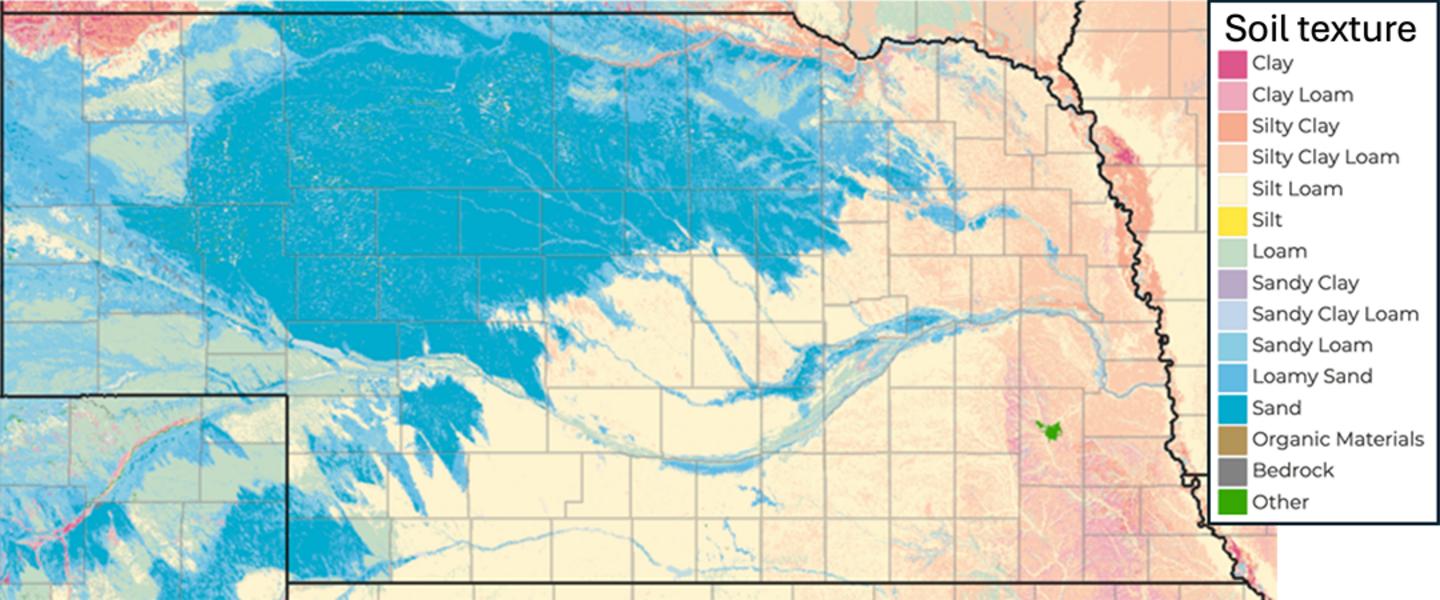
Nebraska’s soil diversity is one of the most important—and often overlooked—factors influencing farmland value, productivity, and long-term investment potential. From the rich loess soils of the eastern Corn Belt to the sandy, drought-prone soils of the Sandhills and western regions, soil characteristics vary widely across the state. Understanding these differences is critical for landowners, tenants, and investors making decisions about cropping systems, lease structures, and land management.
At the core of soil evaluation are several key properties: texture, organic matter content, drainage class, and nutrient availability. Soil texture (whether a soil is sandy, silty, or clay-based) affects how well it holds water and nutrients. Organic matter plays a major role in soil fertility and structure, while drainage determines how quickly excess water moves through the soil profile. Together, these factors directly influence crop choice and yield potential.
In eastern and central Nebraska, deep silt loam soils formed from wind-deposited loess are among the most productive in the world. These soils retain moisture well, provide excellent nutrient availability, and support consistent, high yields of crops like corn and soybeans. As a result, farmland in these regions often commands some of the highest per-acre values in the state. Strong productivity also supports higher cash rental rates, making these soils especially attractive to both operators and investors.
By contrast, the sandy soils found in the Nebraska Sandhills present a very different set of challenges and opportunities. These soils drain quickly and have lower water-holding capacity, making them less suitable for traditional row crops without irrigation. However, they are well-suited for grazing and livestock production. Native grasslands thrive in this environment, supporting Nebraska’s strong cattle industry. As a result, land use in these regions is often focused on ranching rather than intensive crop production.
To better understand and evaluate soil potential, landowners and tenants rely on tools provided by the USDA Natural Resources Conservation Service (NRCS). Soil maps, county surveys, and productivity indices, such as the Corn Suitability Rating (CSR) or similar local metrics, offer detailed insights into a property’s capabilities. These tools help quantify yield potential, guide pricing decisions, and provide a common language for lease negotiations.
Beyond valuation, soil information plays a critical role in day-to-day management decisions. Matching crop rotations to soil type can improve yields while preserving long-term soil health. In dryland areas, selecting drought-tolerant crops and implementing residue management practices can help reduce erosion and conserve limited moisture. Maintaining surface residue is especially important in preventing wind erosion, which can be a significant risk in lighter soils.
For irrigated farmland, soil management becomes a balancing act between water and fertility. Applying too much water can lead to nutrient leaching, while too little can limit crop performance. Understanding how specific soils respond to irrigation allows producers to fine-tune application timing and rates, maximizing both efficiency and profitability. Advances in precision agriculture have made it easier to manage these variables at a field-by-field—or even zone-by-zone—level.
Soil characteristics also play a meaningful role in long-term planning and estate strategy. High-productivity soils are often well-suited for stable, long-term cash rental agreements or crop-share leases that capitalize on consistent yields. Lower-productivity soils, on the other hand, may be better suited for alternative uses such as grazing, cover cropping, or enrollment in conservation programs. These approaches can still generate income while preserving the land’s natural resources.
Ultimately, understanding soil variability across Nebraska provides a foundation for smarter decision-making. Whether evaluating a land purchase, negotiating a lease, or planning for future generations, soil knowledge helps align expectations with reality. By leveraging tools like NRCS surveys and adopting management practices tailored to specific soil types, landowners and operators can protect productivity, sustain land value, and ensure long-term success in Nebraska agriculture.
Ready to take the next step?
AgWest Land Brokers can help you in your next step to buy or sell land. To see how we can help call 866-995-8067, send an email, or fill out our convenient web form.
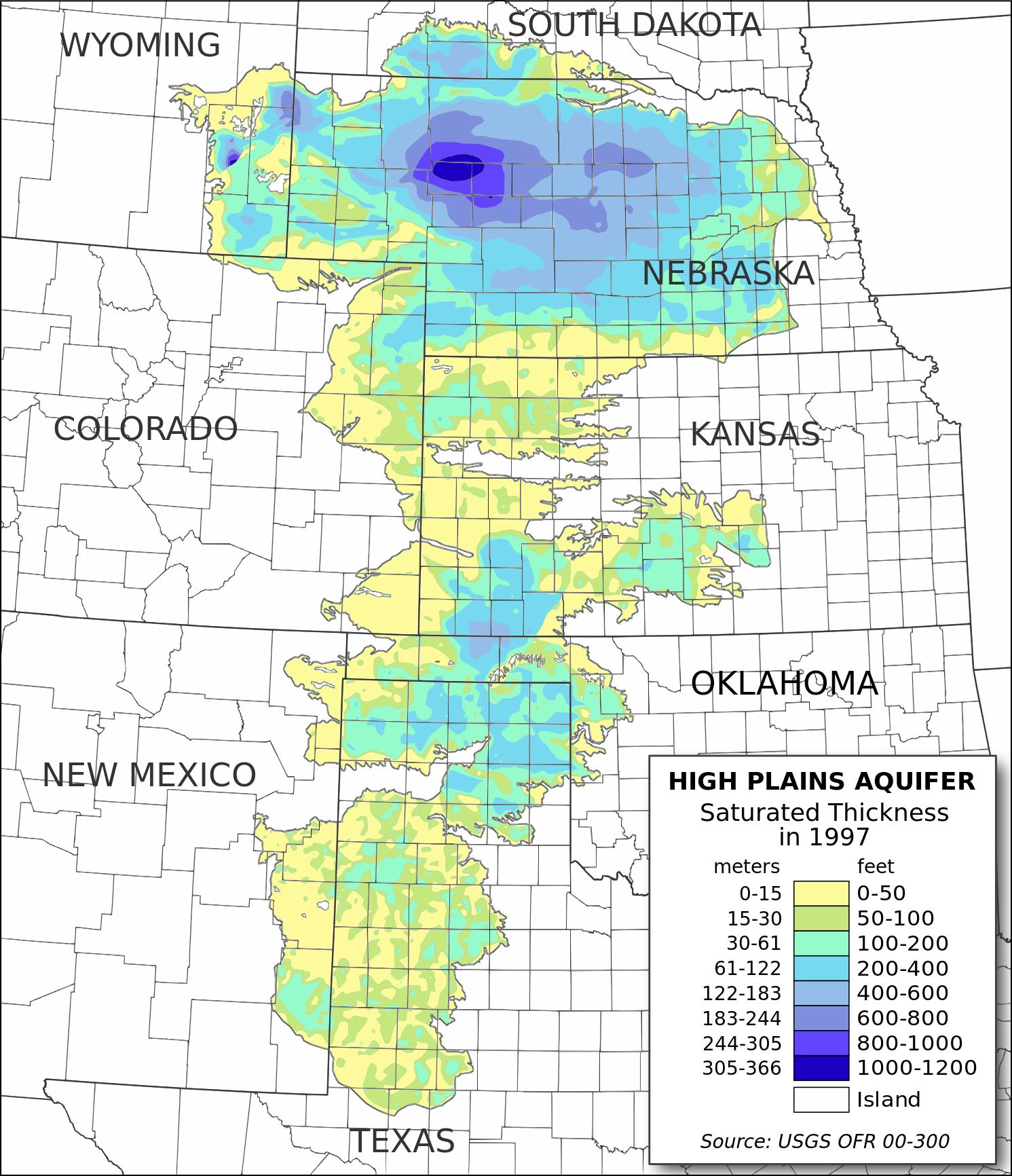
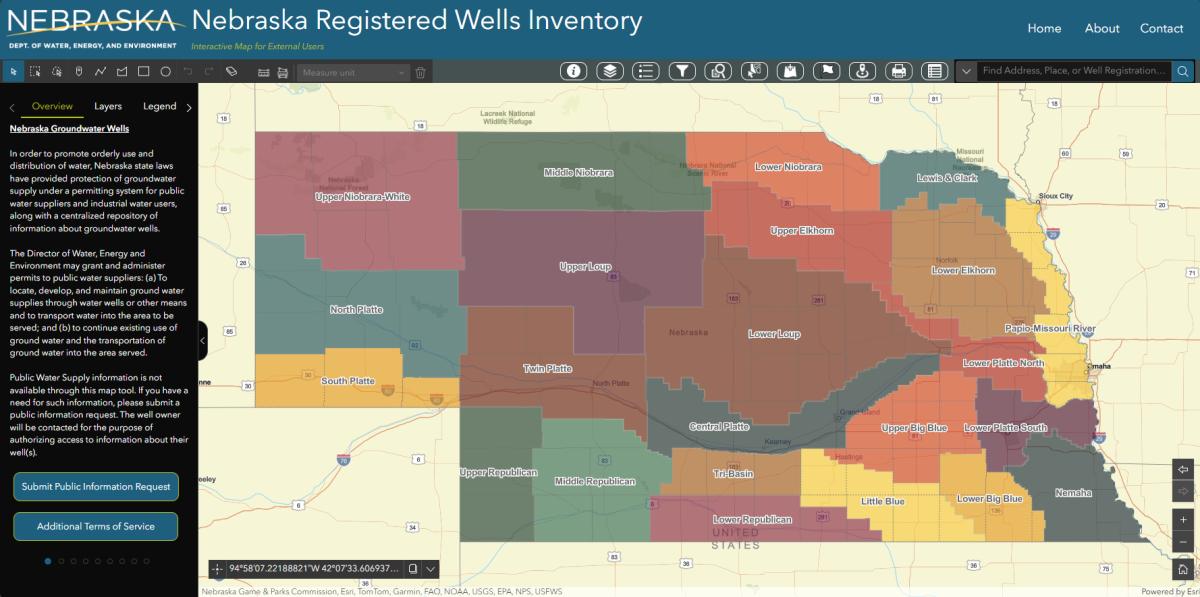
The Ogallala Aquifer underlies much of western and central Nebraska and remains one of the most important natural resources supporting the state’s agricultural economy. For decades, it has enabled highly productive irrigated farming across regions that would otherwise be limited by inconsistent rainfall. However, as reliance on groundwater continues, understanding how the aquifer is managed and how it affects land ownership is essential for farmers, landowners, and investors alike. View the map below to see where the aquifer lies.
Unlike mineral rights, which often grant landowners ownership of subsurface oil and gas, Nebraska does not provide absolute ownership of groundwater. Instead, water use is regulated at both the state and local level. The Nebraska Department of Natural Resources works in partnership with locally governed Natural Resources Districts (NRDs) to oversee groundwater quantity and quality. These NRDs are unique to Nebraska and play a central role in monitoring water use, issuing permits, and implementing conservation measures tailored to regional conditions.
Over many years of irrigation development, portions of the aquifer, particularly in the western and southwestern parts of the state, have experienced measurable declines in water levels. While Nebraska has generally managed its groundwater more conservatively than some neighboring states, localized depletion remains a concern. In response, many NRDs have adopted rules to protect long-term water availability. These may include restrictions on drilling new irrigation wells, limits on expanding irrigated acreage, or caps on the total volume of water that can be pumped annually.
For farmland owners and tenants, these regulations are more than just policy, they directly influence land value, productivity, and operational flexibility. A tract of irrigated land with strict pumping limits or declining well capacity may not deliver the same long-term returns as one in an area with more stable water levels. As a result, due diligence around water regulations has become a standard part of farmland transactions and lease negotiations.
Understanding local NRD requirements is critical. This includes ensuring wells are properly registered, knowing what irrigation systems are approved, and staying within allocated pumping limits. Violations can result in fines or restrictions that impact future use. Beyond compliance, being informed allows landowners to make proactive decisions that align with both profitability and sustainability.
Looking ahead, many producers and landowners are adapting their practices to extend the life of the aquifer. Advances in irrigation technology have made it possible to use water more efficiently than ever before. Tools such as soil moisture sensors, variable rate irrigation, and real-time data monitoring help farmers apply water only when and where it is needed. These technologies not only conserve water but can also reduce input costs and improve crop performance.
In some cases, landowners are reevaluating how certain acres are used. Marginal irrigated fields, especially those with lower productivity or higher pumping costs, may be transitioned to dryland production or enrolled in conservation programs. These strategies can reduce water demand while still generating income, either through crop production or government-supported conservation payments.
Water considerations are also becoming a more prominent part of lease agreements and investment analysis. Landlords and tenants are increasingly including provisions related to water usage, equipment maintenance, and compliance with NRD regulations. For investors, evaluating groundwater availability and regulatory risk is just as important as assessing soil quality or location.
Ultimately, the future of Nebraska agriculture is closely tied to the long-term health of the Ogallala Aquifer. While it remains a powerful asset for the state, responsible management will determine its sustainability for future generations. By staying informed, adopting efficient practices, and incorporating water considerations into decision-making, landowners and operators can help protect both their operations and the value of their land over time.
Ready to take the next step?
AgWest Land Brokers can help you in your next step to buy or sell land. To see how we can help call 866-995-8067, send an email, or fill out our convenient web form.
One of the most fundamental decisions for Nebraska farmland owners and investors is choosing between irrigated and non-irrigated (dryland) farmland. Each land type offers distinct advantages, risks, and management considerations that can significantly impact profitability and long-term land value.
Irrigated farmland, commonly outfitted with center pivot systems or gravity irrigation, provides producers with the ability to apply water throughout the growing season. This control over moisture is one of the biggest advantages in Nebraska’s often unpredictable climate. By supplementing rainfall, irrigation reduces the risk of crop failure during dry periods and stabilizes yields year over year. As a result, irrigated land typically commands higher per-acre values compared to dryland. Buyers are often willing to pay a premium for this consistency, especially in regions where rainfall variability is more pronounced.
A key factor supporting irrigated agriculture in Nebraska is access to groundwater, particularly from the Ogallala Aquifer. This vast water source has enabled decades of highly productive farming across the state. However, concerns about long-term sustainability and declining water levels in some areas have made water management an increasingly important issue for landowners and policymakers alike.
In contrast, dryland farmland relies entirely on natural precipitation. While this introduces more variability in yields, it also reduces input costs and infrastructure requirements. Dryland operations do not require irrigation equipment, energy to pump water, or ongoing maintenance of wells and pivots. This lower cost structure often translates to more affordable purchase prices, making dryland an attractive entry point for beginning farmers or investors seeking lower capital exposure.
From a financial perspective, the trade-off between irrigated and dryland farming often comes down to risk versus cost. Irrigated land offers greater yield stability and typically higher revenue potential, but it also involves higher upfront investment and ongoing operational expenses. Dryland farming, while more vulnerable to drought, can still be profitable – particularly in years with favorable rainfall – and may provide stronger returns relative to investment in certain market conditions.
Leasing dynamics further highlight these differences. Irrigated farmland generally commands higher cash rental rates due to its productivity advantage. Tenants are often willing to pay more for the opportunity to farm irrigated acres because of the reduced production risk. However, irrigation also introduces added complexity into lease agreements. Clear terms are essential when it comes to who is responsible for maintaining irrigation equipment, covering energy costs, and managing repairs.
Water rights and regulatory oversight are also critical considerations. In Nebraska, groundwater and surface water are regulated by local Natural Resources Districts (NRDs) and the state, rather than being automatically tied to land ownership in the same way as mineral rights. The Nebraska Department of Natural Resources works alongside NRDs to manage water use, enforce allocation limits, and promote conservation. These regulations can affect how much water can be pumped and may influence both land value and operational decisions over time.
For landlords, understanding these regulatory frameworks is essential when structuring leases or marketing property for sale. Buyers are increasingly attentive to well capacity, historical water usage, and any restrictions that may apply. In some cases, limitations on irrigation can narrow the value gap between irrigated and dryland farmland.
From an investment standpoint, diversification across both land types can be a strategic advantage. Irrigated acres tend to provide stability during drought conditions, helping to protect income streams when rainfall is limited. Meanwhile, dryland farmland can perform exceptionally well during wetter cycles, often with lower operating costs and strong margins. By holding a mix of both, investors can better manage risk across varying weather patterns and commodity price environments.
Ultimately, both irrigated and dryland farmland play important roles in Nebraska’s agricultural landscape. The right choice depends on an individual’s financial goals, risk tolerance, and management approach. By carefully weighing the benefits and challenges of each land type – and staying informed on water policy, input costs, and market trends – landowners and investors can make more confident decisions that support long-term success.
Ready to take the next step?
AgWest Land Brokers can help you in your next step to buy or sell land. To see how we can help call 866-995-8067, send an email, or fill out our convenient web form.
Nebraska land values by county can vary widely, even when properties appear similar at first glance. A productive irrigated farm in eastern Nebraska may command a very different price per acre than dryland farm land in the central or western part of the state. Pasture, grazing land, CRP acres, soil quality, water access, lease income, and nearby buyer demand all influence what a farm or ranch property may be worth.
For buyers and sellers, understanding Nebraska farm land prices requires more than looking at one statewide average. County-level land values are shaped by local conditions, including rainfall, irrigation availability, crop production history, access to grain markets, cattle demand, and comparable sales. That is why Nebraska agricultural land values should be reviewed through both a statewide market lens and a local county-level perspective.
According to the University of Nebraska–Lincoln’s 2026 Nebraska Farm Real Estate Market Survey, the statewide average market value of agricultural land declined by 1% from the prior year to approximately $3,905 per acre as of Feb. 1, 2026. UNL also notes that this was the second consecutive year Nebraska agricultural land values declined after reaching a record non-inflation-adjusted statewide value in 2024.
Why Nebraska Land Values Vary by County
Nebraska is a diverse agricultural state, and that diversity shows up clearly in land values. A county with highly productive soils, strong rainfall, and access to irrigation may see higher Nebraska farm land values than a county where the land is primarily used for pasture or dryland production.
Eastern Nebraska often benefits from stronger precipitation, productive cropland, and proximity to grain markets. Central Nebraska may include a mix of irrigated cropland, dryland acres, hayland, and pasture. Western Nebraska often relies more heavily on irrigation, grazing land, and livestock production. These regional differences help explain why Nebraska farmland prices are not uniform across the state.
County-level land values are commonly influenced by:
Soil productivity and crop history
Irrigation access and water reliability
Dryland versus irrigated farm land
Pasture and grazing demand
Cash rent potential
County-level comparable sales
Commodity prices
Input costs
Interest rates
Local operator and investor demand
For buyers, these differences affect long-term income potential and operating strategy. For sellers, they influence pricing, marketing, and how a property should be positioned to the right group of buyers.
Market Value vs. Assessed Value vs. Sale Price
When researching Nebraska land values by county, it is important to understand that “value” can mean different things.
Market value is what a property may reasonably sell for in the current real estate market. Assessed value is used for property tax purposes. Actual sale price is what a buyer and seller agree to in a specific transaction.
In Nebraska, agricultural and horticultural land is generally assessed at 75% of fair market value for property tax purposes, according to the Nebraska agricultural land assessment rules.
This distinction matters because someone searching for Nebraska agricultural land values may be looking for tax assessment information, while another person may be trying to determine what a farm could sell for today. Sellers should not rely only on assessed value when pricing a farm, and buyers should not assume that assessed value reflects the full market price.
Irrigated Farm Land Values in Nebraska
Irrigated farm land typically commands some of the strongest values in Nebraska because water access can improve yield consistency and reduce production risk. Center pivot irrigated cropland and gravity irrigated cropland are often evaluated separately because irrigation method, water source, pumping costs, and system condition all affect value.
The 2026 UNL report found that center pivot irrigated cropland averaged 2% lower statewide, while gravity irrigated cropland declined by an average of 3%. However, regional results varied, with some areas showing smaller declines or even slight increases depending on land class and location.
For buyers, irrigated acres may offer stronger production potential, but they also require careful due diligence. Water rights, well capacity, equipment condition, energy costs, and long-term Nebraska groundwater resources can all affect the true value of an irrigated farm
Current irrigated farmland for sale listings can also help buyers and sellers compare how irrigation infrastructure, acreage, and location influence active market opportunities.
Dryland Farm Land Prices in Nebraska
Dryland farm land is generally valued below irrigated cropland, but it remains an important part of Nebraska’s agricultural real estate market. Many producers and investors are drawn to dryland acres because they often involve lower equipment and operating costs than irrigated farms.
Dryland values are especially sensitive to rainfall patterns, soil quality, crop rotations, and yield history. A strong dryland farm in a reliable production area may still bring competitive interest, while land in more variable rainfall regions may price differently.
For sellers, this means the marketing strategy should clearly explain the property’s production history, tenant history, soil profile, and income potential. For buyers, it means the price per acre should be weighed against realistic crop expectations and long-term risk.
AgWest’s dryland farms listings provide additional context for buyers and sellers comparing non-irrigated cropland, soil productivity, acreage, and location.
Pasture, Grazing Land, and Ranch Values
Pasture and grazing land values are driven by a different set of factors than cropland. Carrying capacity, fencing, water access, grass condition, location, and livestock markets all play an important role.
In recent years, strength in the cattle market has helped support demand for Nebraska pasture and grazing acres. This has made ranchland and mixed-use agricultural properties especially important in counties where livestock production is a major part of the local economy.
Landowners and buyers evaluating grazing acres can also review pasture land for sale to compare fencing, water access, grass quality, carrying capacity, and mixed-use agricultural potential.
Nebraska pasture rental rates can also help buyers and sellers evaluate income potential. The USDA National Agricultural Statistics Service notes that its Cash Rents Survey provides county-level estimates for irrigated cropland, non-irrigated cropland, and pasture where sufficient acreage thresholds are met.
Cash Rent and Its Impact on Land Values
Cash rent is one of the most important indicators for evaluating Nebraska farm land prices. Land that can generate reliable rental income may be more attractive to investors, absentee owners, and operators looking to expand.
For readers comparing opportunities beyond one state, AgWest also features farm land for sale across key agricultural markets, including dryland farm land, irrigated farm land, pasture, and CRP land.
Cash rental rates vary by land type and location. Irrigated cropland generally rents for more than dryland cropland, while pasture rental rates are evaluated differently based on grazing capacity and livestock demand.
For landowners, lease structure matters. A fixed cash rent can provide predictable income, while a crop-share or flex lease may allow the landowner and tenant to share risk and reward. In a changing market, flexible lease terms can help both parties adjust to commodity prices, input costs, and yield conditions.
For a deeper look at lease structure and rental considerations, AgWest’s guide to cash rent farmland in Nebraska explains how lease rates, crop share agreements, pasture leases, and written lease terms can affect landowner decisions.
What Buyers Should Look At Before Purchasing Nebraska Farm Land
Buyers evaluating Nebraska land values by county should look beyond the listing price. A property’s true value depends on both the land itself and the income or utility it can provide.
Buyers who are actively comparing current opportunities can also review available Nebraska farm land for sale to see how land type, location, acreage, and property features compare across the market.
Important review items include soil productivity, irrigation access, crop history, lease agreements, water rights, fencing, county taxes, easements, access roads, conservation program enrollment, and comparable land sales. Buyers should also consider whether the property fits their goals, whether that means expanding an operation, investing in farm land, purchasing grazing acres, or holding agricultural real estate long term.
County-level insight is especially valuable because two farms in different counties may have very different buyer pools, land use patterns, and income expectations.
What Sellers Should Know Before Pricing Farm Land
Sellers should avoid pricing agricultural land based only on statewide averages. Nebraska farm land values can shift substantially from one county to another and from one land class to another.
A strong pricing strategy should consider recent comparable sales, the property’s land type, soil quality, irrigation, lease income, tenant history, improvements, access, and local buyer demand.
It should also account for whether the land is best positioned as irrigated cropland, dryland farm land, pasture, CRP land, mixed-use agricultural land, or investment property.
The right marketing approach can make a major difference. Buyers want clear information, strong visuals, accurate property details, and a realistic explanation of the land’s agricultural potential.
The 2026 Outlook for Nebraska Agricultural Land Values
Nebraska agricultural land values appear to be stabilizing after several years of strong appreciation followed by modest declines. Lower commodity prices, elevated input costs, and higher interest rates have made buyers more cautious. At the same time, limited land supply, strong agricultural productivity, and long-term demand for food production continue to support the market.
For buyers, this creates opportunities to evaluate properties carefully and compare land values by county, land class, and income potential. For sellers, it reinforces the importance of accurate pricing and strong presentation.
Whether you are buying, selling, leasing, or evaluating long-term ownership options, Nebraska land values by county should be viewed through a local lens. Statewide averages are useful, but the details of each property often determine its real market value.
Frequently Asked Questions About Nebraska Land Values
How are Nebraska land values determined?
Nebraska land values are influenced by land type, soil productivity, irrigation access, crop history, pasture demand, cash rent potential, comparable sales, and local buyer demand.
Why do Nebraska land values vary by county?
Land values vary by county because each area has different soil quality, rainfall, irrigation access, crop production, livestock demand, infrastructure, and recent land sale activity.
Is assessed value the same as market value for Nebraska farm land?
No. Assessed value is used for property tax purposes, while market value reflects what a property may sell for in the current real estate market.
What types of farm land usually bring higher values in Nebraska?
Irrigated farm land often brings higher values because reliable water access can support stronger yield consistency and reduce production risk. Dryland farm land, pasture, grazing land, and CRP land are valued based on their own income potential and land-use factors.
Ready to Take the Next Step?
AgWest Land Brokers can help you buy or sell farm land, ranch land, pasture, dryland acres, irrigated farm land, and agricultural real estate across Nebraska. To see how we can help, call 866-995-8067, send an email, or fill out our convenient web form.
When selling land — whether it’s farmland, pasture, or recreational acreage — AgWest Land Brokers don’t just list your property and wait; they craft a strategic, multi‑channel marketing plan to attract qualified buyers. We invest in professional visuals, including high‑quality photography, aerial drone shots, and virtual tours that highlight a property’s features, boundaries, terrain, water access, and location advantages. These visuals help buyers visualize the land remotely and can significantly increase engagement compared with standard listing photos.
In addition to strong visuals, AgWest uses targeted online and offline marketing to maximize exposure. They list properties on specialized land and ranch platforms (beyond just the MLS), run targeted ads on social media, craft compelling property descriptions with storytelling elements, and reach out directly to their network of buyers, investors, and local professionals who may be specifically interested in your type of land. This may include email campaigns, direct mail, signage, and participation in local events. By combining digital reach with niche channels and buyer lists, experienced brokers ensure your land reaches the right audience quickly.
Finally, the AgWest maintains consistent follow‑up, data tracking, and buyer qualification to convert interest into offers — helping you price your land correctly, negotiate terms, and manage inquiries so you get the best possible outcome with minimal stress.
Ready to take the next step?
AgWest Land Brokers can help you understand the results of a farmland assessment before you make a decision to purchase. To see how we can help call 866-995-8067, send an email, or fill out our convenient web form.