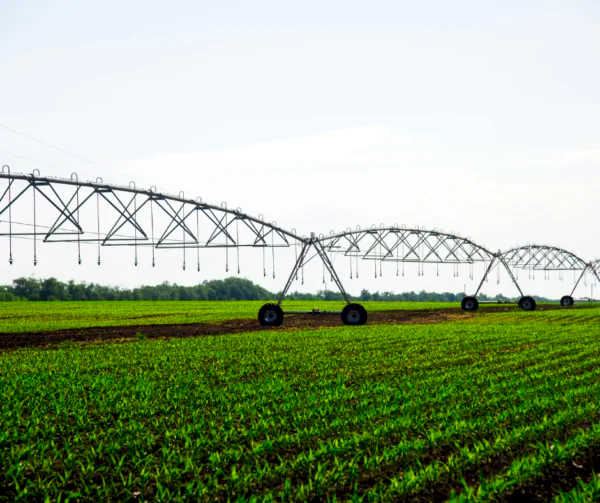
Technology is reshaping how Nebraska farms operate, driving efficiency, sustainability, and better decision‑making across both crop and livestock operations. Precision agriculture tools such as GPS‑guided equipment, yield monitors and maps, soil grid sampling, and variable‑rate application systems let producers tailor inputs like seed, fertilizer, and water to specific field conditions rather than treating an entire field uniformly — which can save money, optimize yields, and reduce environmental impact. Nebraska farmers also use drones, sensors, and remote monitoring tools to track crop health and soil moisture in real time, giving insights that weren’t possible even a decade ago.
Despite recent surveys showing a modest decline in some precision ag adoption rates, digital tools and connectivity remain widespread: smartphones and internet access are near ubiquitous on Nebraska farms, and cloud‑based platforms and data systems support everything from irrigation management to equipment telematics. As these technologies generate more data, clear agreements between landowners and tenants about data sharing, technology investments, and responsibilities for equipment and software can help ensure both parties benefit — especially when calculating inputs, adjusting leases, or evaluating performance. By embracing technology thoughtfully, Nebraska farms can improve productivity, enhance sustainability, and position themselves for long‑term success in an increasingly data‑driven agricultural economy.
Participating in USDA conservation programs can provide Nebraska landowners with steady income and environmental benefits while enhancing the long‑term productivity and sustainability of their land. Programs like the Conservation Reserve Program (CRP) pay annual rental payments for enrolling environmentally sensitive cropland or grassland in long‑term vegetative covers — typically 10 to 15‑year contracts — which help control erosion, improve water quality, and create wildlife habitat. These voluntary payments offer a reliable income stream on acreage that may be marginal for crop production, while CRP practices like grass waterways or riparian buffers can also protect soil and water resources long term.
Other USDA incentives such as the Environmental Quality Incentives Program (EQIP) and the Conservation Stewardship Program (CSP) provide financial and technical assistance to implement conservation practices on working farmland and ranchland. These might include cover crops, nutrient management, fencing, prescribed grazing plans, or water quality improvements, and can increase soil health and drought resilience while reducing input costs.
Conservation enrollment can influence lease terms and land valuation. For leased land, agreements should clearly address program participation, reporting responsibilities, and any restrictions on farming activities during the contract term. From a valuation perspective, conserved acres under long‑term CRP or easements may have lower current agricultural rental income but can command higher per‑acre value for buyers who appreciate habitat, water quality benefits, or incentives tied to conservation. Overall, these programs help protect natural resources and can make farmland more attractive to tenants and investors focused on sustainability.
Farmland often represents a multi‑generation legacy — both financially and emotionally — which makes proactive estate planning essential for Nebraska landowners who want to preserve their acreage and ensure smooth transitions to the next generation. Without a thoughtful plan, assets can be tied up in probate, creating delays, increased costs, and potential conflict among heirs. Tools such as wills, trusts (including revocable living trusts), family LLCs or farm trusts, and gifting strategies help define who inherits the land, how it’s divided, and how taxes are minimized, preserving both value and family harmony. Working with attorneys and tax professionals experienced in agricultural estate planning ensures your wishes are clearly documented and legally enforceable.
For Nebraska specifically, estate planning also involves understanding tax implications. While the state does not impose a traditional estate tax, it does have an inheritance tax based on the heir’s relationship to the decedent, and farmland values can be high enough that even small percentage taxes create cash flow challenges for heirs who inherit property. Another key consideration is the stepped‑up basis rule, which can significantly reduce capital gains taxes when land is passed at death by resetting the property’s tax basis to its fair market value at that time, helping heirs avoid large taxable gains if they choose to sell.
Because every family’s situation and goals are different — including who will farm the land, how income and responsibility will be shared, and how to equitably treat non‑farming heirs — engaging a comprehensive estate planning team early on is critical. These professionals can help you tailor strategies that protect your legacy, minimize tax burdens, and provide clarity and peace of mind for future generations.
In competitive agricultural land markets, timing can make all the difference. A Reverse 1031 Exchange gives investors a strategic advantage by allowing them to acquire replacement property before selling their existing real estate while still deferring capital gains taxes under IRS Section 1031 rules. This approach can be especially valuable when high-quality farmland becomes available in regions such as Nebraska or Kansas, where desirable acreage may not stay on the market long. Rather than risk losing a prime property while waiting to sell another tract, investors can move quickly to secure the new land and complete the exchange afterward.
How a Reverse 1031 Exchange Works
A Reverse 1031 Exchange essentially flips the order of a traditional 1031 exchange. In a standard exchange, a property owner sells the relinquished property first and then purchases a replacement property within the required IRS timeline. In a reverse exchange, the replacement property is acquired first.
This “buy first, sell later” strategy can provide flexibility in fast-moving land markets where opportunities arise unexpectedly. For farmers, ranchers, and agricultural investors throughout the Midwest — including Nebraska and Kansas — this flexibility can make it possible to secure productive farmland, expand an operation, or reposition an investment portfolio without losing valuable tax-deferral benefits.
A 1031 exchange allows business or investment real estate to be exchanged for like-kind property while deferring capital gains taxes under IRS Section 1031 like-kind exchange rules. Agricultural land, pasture ground, and other farm or ranch properties typically qualify as like-kind real estate, which means they can often be exchanged for other agricultural properties across state lines. For example, a landowner might sell farmland in Kansas and reinvest the proceeds into irrigated ground in Nebraska, or vice versa, while still maintaining the tax-deferred treatment provided by Section 1031.
The Role of the Exchange Accommodation Titleholder (EAT)
Because IRS rules prohibit an investor from holding title to both the relinquished and replacement properties simultaneously during the exchange process, a third-party entity known as an Exchange Accommodation Titleholder (EAT) is used to temporarily hold title to one of the properties.
This arrangement is often referred to as “parking” the property. Depending on how the transaction is structured, the EAT may hold the replacement property until the relinquished property sells, or it may hold the relinquished property until the exchange is completed. This structure allows the Reverse 1031 Exchange to comply with IRS requirements while still giving the investor time to sell their original property.
Reverse 1031 Exchange Timeline and IRS Deadlines
Once the replacement property has been acquired in a Reverse 1031 Exchange, strict IRS timelines still apply. The taxpayer must identify the property they intend to sell within 45 days of acquiring the replacement property. After identification, the relinquished property must be sold within 180 days of the initial acquisition.
Meeting these deadlines is critical to maintaining the tax-deferred status of the transaction. Failing to meet the requirements can result in the exchange being disqualified and the capital gains becoming immediately taxable.
Why Reverse 1031 Exchanges Are More Complex
While a Reverse 1031 Exchange can provide valuable flexibility, it is generally more complex than a traditional exchange. These transactions often require upfront financing since the replacement property must typically be purchased before the relinquished property sells.
In addition, the transaction structure must comply with detailed IRS regulations governing reverse exchanges. This complexity means careful planning and coordination are essential, particularly when dealing with agricultural real estate transactions involving large tracts of farmland in Nebraska, Kansas, and across the Midwest.
Working With Experienced Reverse 1031 Exchange Professionals
Working with experienced professionals is key to successfully completing a Reverse 1031 Exchange. A qualified 1031 exchange intermediary helps structure the transaction and ensures that funds are handled according to IRS rules. In addition, tax advisors and real estate professionals familiar with agricultural property exchanges can help investors determine whether this strategy is the right fit.
Because farmland markets can vary significantly from region to region, local expertise can also play an important role in identifying opportunities and navigating the transaction process.
When properly structured, a Reverse 1031 Exchange allows investors to move decisively in competitive markets, secure high-quality land, and maintain the tax advantages provided by Section 1031. For agricultural investors looking to acquire farmland in Nebraska, Kansas, or throughout the Midwest, this strategy can provide the flexibility needed to act quickly without sacrificing long-term tax planning goals.
Taxpayers must report each like-kind exchange to the IRS using Form 8824, which calculates deferred gain and documents the details of the transaction. Because of the reporting requirements and transaction complexity, professional guidance is strongly recommended. See IRS Form 8824 instructions.
To find out more about Reverse 1031 Exchanges, call 866-995-8067, emailus, or fill out our convenient web form to speak with an experienced land professional.
Selling farmland can be a significant financial decision, especially for landowners who have owned agricultural property for decades or inherited land from family members. Whether you are selling productive cropland, irrigated farmland, pasture, or ranchland, the sale may result in a substantial capital gain and a potential tax liability.
For eligible landowners and real estate investors, a 1031 like-kind exchange can provide a way to defer certain taxes by reinvesting the proceeds from one investment property into another qualifying real estate property. This strategy can help preserve investment capital, reposition an agricultural real estate portfolio, and create opportunities for long-term growth.
In Nebraska, where farmland is an important part of the agricultural economy, 1031 exchanges can be especially relevant for investors who want to sell one property and purchase another. For example, a landowner might sell dryland acres and purchase irrigated farmland, exchange a property in one part of the state for agricultural land elsewhere, or consolidate multiple properties into a different investment.
However, a 1031 exchange involves strict IRS rules, deadlines, and documentation requirements. Understanding how the process works before listing your farmland for sale can help you avoid costly mistakes and make informed decisions about your next investment.
What Is a 1031 Like-Kind Exchange?
A 1031 exchange is a real estate transaction permitted under Section 1031 of the Internal Revenue Code. It allows eligible taxpayers to defer recognizing certain gains when they sell qualifying real estate held for investment or productive use in a trade or business and acquire qualifying replacement real estate.
Rather than paying tax on the entire eligible gain when the original property is sold, the taxpayer can generally defer that gain by completing an exchange that meets IRS requirements.
For example, imagine an investor sells a Nebraska farm that has appreciated significantly since it was purchased. Instead of receiving the proceeds for personal use, the investor uses a properly structured 1031 exchange to acquire another qualifying agricultural property.
The gain may be deferred, allowing more of the investment capital to remain invested in real estate.
A 1031 exchange generally defers eligible taxes rather than eliminating them permanently. The deferred gain is generally reflected in the tax basis of the replacement property, which can affect taxes if that property is sold in the future without another qualifying exchange.
The IRS generally limits Section 1031 treatment to real property. Stocks, equipment, and other personal property do not qualify under the current real estate exchange rules.
Can You Use a 1031 Exchange for Nebraska Farmland?
Yes. Nebraska farmland can generally qualify for a 1031 exchange when the property is held for investment or productive use in a trade or business and the transaction meets the applicable IRS requirements.
Qualifying agricultural real estate may include:
Dryland cropland
Irrigated farmland
Pasture and grazing land
Ranchland
Agricultural land leased to tenant farmers
Other qualifying investment or business real estate
For example, an investor who owns income-producing farmland in central Nebraska may be able to sell that property and purchase qualifying agricultural land in western Nebraska or another state.
Real estate does not necessarily have to be identical to qualify as like-kind. The IRS generally considers the nature or character of the real property rather than its grade or quality. Consequently, an exchange between qualifying farmland and other qualifying investment real estate may be possible, depending on the circumstances.
However, land held primarily for resale, personal-use property, and certain other assets may not qualify. Investors should have a tax professional confirm that both the property being sold and the replacement property meet the requirements.
Why Do Farmland Owners Consider a 1031 Exchange?
A 1031 exchange can provide flexibility for investors who want to make changes to their real estate holdings without immediately recognizing the full eligible gain.
Common reasons to consider an exchange include:
1. Reinvesting in different farmland. An owner may want to sell a property that no longer fits their investment goals and purchase land with different characteristics, such as better irrigation, stronger soils, or a more desirable location.
2. Consolidating or diversifying holdings. Depending on the exchange structure and applicable rules, an investor may exchange one property for multiple replacement properties or multiple properties for another qualifying property.
3. Moving into a different agricultural market. An investor may want to sell farmland in one region and acquire agricultural real estate in another area with different rental opportunities or market conditions.
4. Continuing to build a real estate portfolio. Deferring eligible taxes may allow more capital to remain invested in replacement real estate.
5. Planning for changing ownership goals. Investors approaching retirement or reassessing their property holdings may explore an exchange as one part of a broader real estate and tax strategy.
A 1031 exchange does not automatically make a property a good investment. Replacement farmland should still be evaluated based on productivity, rental income, location, water availability, market value, and long-term investment objectives.
What Are the 45-Day and 180-Day Rules?
Two of the most important requirements for a delayed 1031 exchange are the 45-day identification period and the 180-day exchange period.
These deadlines are measured from the transfer of the relinquished property and are generally strict.
The 45-Day Identification Rule
After transferring the property being sold, the taxpayer generally has 45 calendar days to identify potential replacement properties in writing.
The identification must follow IRS requirements, including clearly describing the properties and delivering the written identification to the appropriate person involved in the exchange.
For farmland, this may involve identifying specific tracts using legal descriptions, property addresses, or other permitted descriptions.
Because the identification deadline arrives quickly, it is wise to research replacement properties before the original farmland closes.
The 180-Day Exchange Rule
The taxpayer generally must receive the replacement property by the earlier of:
180 calendar days after transferring the original property; or
The due date of the taxpayer’s federal income tax return for that tax year, including extensions.
This means the available time may be shorter than 180 days if the tax return deadline arrives first.
The identification and closing deadlines operate together. Identifying a property within 45 days does not extend the deadline for completing the purchase.
Practical tip: Begin evaluating replacement farmland, financing, property values, and potential lease arrangements before selling your existing property. Waiting until after closing to begin searching can make the exchange considerably more difficult.
What Is a Qualified Intermediary in a 1031 Exchange?
A Qualified Intermediary (QI) is an independent party that facilitates a qualifying deferred exchange.
In a typical transaction, the QI helps coordinate the exchange documentation and holds the sale proceeds under the required exchange arrangement while the investor identifies and purchases replacement property.
The investor generally cannot receive or control the sale proceeds personally and then decide to reinvest them later. Actual or constructive receipt of the proceeds can disqualify the intended tax treatment.
For example, if an investor sells a Nebraska farm and the proceeds are deposited into their personal bank account, simply using that money to buy another farm afterward generally will not satisfy the requirements for a deferred 1031 exchange.
The QI should be engaged before the sale closes, and the exchange documents must be structured correctly from the beginning.
Not every intermediary is eligible to serve as a QI in every transaction. IRS rules restrict certain relationships and prior professional roles, so investors should confirm eligibility before selecting an intermediary.
What Are the Three-Property, 200% and 95% Rules?
When identifying replacement farmland, investors must follow IRS limits on the number and value of properties identified.
The three commonly discussed identification rules are the three-property rule, the 200% rule, and the 95% rule.
The Three-Property Rule: An investor may generally identify up to three potential replacement properties, regardless of their individual or combined market values.
For example, someone selling one farm could identify three different tracts of Nebraska farmland as possible replacement investments.
The 200% Rule: An investor may identify more than three properties if the total fair market value of all identified replacement properties does not exceed 200% of the total fair market value of the property being relinquished.
This option may be useful when an investor is considering several smaller tracts or a larger group of potential purchases.
The 95% Rule: If the investor exceeds the identification limits under the other rules, a special exception may apply if the investor acquires replacement property with a total fair market value of at least 95% of the aggregate fair market value of all identified replacement properties.
This rule is generally difficult to satisfy because it requires acquiring nearly all of the value of the properties identified.
These rules determine which properties may be identified; they do not independently guarantee that the exchange will qualify. The identification must also meet the applicable written-notice and timing requirements.
Investors should work with their QI and tax advisor to select the identification approach that fits their transaction.
How Much Farmland Must You Purchase to Defer All of the Gain?
To generally defer all eligible gain in a fully tax-deferred exchange, investors typically need to acquire replacement property of equal or greater value, reinvest all net exchange proceeds, and satisfy applicable liability and other exchange requirements.
Simply purchasing another farm does not automatically defer all the gain.
For example, suppose an investor sells Nebraska farmland for $1 million and has $900,000 in net exchange proceeds after applicable selling costs. If the investor purchases qualifying replacement farmland for $800,000 and retains some proceeds, the transaction may result in taxable gain.
The amount of gain recognized depends on the full transaction, including cash received, liabilities, adjusted tax basis, exchange expenses, and other applicable rules.
Investors should not assume that matching the original property’s sale price alone is sufficient. Debt relief and other forms of consideration can also affect the tax result.
A tax professional can calculate the appropriate replacement-property targets before the sale closes.
What Is “Boot” in a 1031 Exchange?
In a 1031 exchange, boot generally refers to cash or other non-like-kind consideration received that may trigger taxable gain.
Boot can arise when an investor receives cash from the exchange, acquires replacement property of insufficient value, or has certain liabilities relieved without offsetting them appropriately.
For example, an investor sells farmland and uses only part of the exchange proceeds to purchase replacement property, keeping the remaining cash. That retained cash may be taxable to the extent required under the exchange rules.
Debt can make the calculation more complicated. If the original property has a mortgage, the investor should review how the debt will be handled in the exchange and whether replacement financing or additional cash is needed.
Receiving boot does not necessarily mean the entire exchange fails. A transaction may qualify for partial tax deferral, with gain recognized to the extent required by law.
The best approach is to discuss the intended sale price, outstanding debt, expected expenses, and replacement-property budget with a tax advisor and QI before closing.
Does a 1031 Exchange Eliminate Nebraska Capital Gains Taxes?
A qualifying 1031 exchange generally defers eligible federal gain recognition, and Nebraska income tax treatment generally follows the applicable federal treatment. However, investors should confirm the state tax consequences for their specific circumstances.
It is important to distinguish income tax deferral from other transaction costs and taxes. For example, Nebraska documentary stamp tax may still apply to real estate transfers, even when the transaction qualifies for federal like-kind exchange treatment.
A 1031 exchange also does not erase the original property’s tax history. The deferred gain generally carries into the replacement property’s adjusted basis, which can affect the tax consequences of a future sale.
The actual tax savings depend on factors such as the property’s adjusted basis, depreciation, ownership structure, applicable tax rates, and the details of the transaction.
What Types of Farmland Investments Should You Consider?
A successful exchange requires more than meeting tax deadlines. The replacement property should also support your long-term investment goals.
When evaluating Nebraska farmland, consider the following factors:
Soil productivity: Soil types, productivity ratings, drainage, and historical yields can influence the property’s agricultural potential.
Irrigation and water: For irrigated land, evaluate irrigation systems, well condition, water availability, applicable water rights, and local pumping restrictions.
Location: Consider access, nearby agricultural infrastructure, local land demand, and the surrounding farming community.
Property improvements: Grain bins, irrigation equipment, buildings, fencing, and other improvements may contribute to a property’s usefulness and value.
Long-term marketability: Think about the property’s potential appeal to neighboring farmers, agricultural investors, and other likely buyers when you eventually sell.
A replacement property should be selected for its suitability as an investment—not solely because it can be purchased before the exchange deadline.
What Are Common 1031 Exchange Mistakes to Avoid?
Several mistakes can jeopardize a planned exchange or create an unexpected tax bill.
Waiting too long to plan. Starting the process after the original sale closes can leave too little time to identify and purchase replacement property.
Taking possession of the proceeds. Receiving the funds personally can disqualify a deferred exchange.
Missing the identification deadline. Replacement properties must be identified according to the IRS rules within the required period.
Assuming every property qualifies. Both the relinquished and replacement properties must meet the applicable requirements.
Ignoring debt and cash differences. Changes in property value, mortgage balances, or cash received can affect whether gain is recognized.
Choosing replacement farmland too quickly. A property that meets the tax deadline may still be a poor investment.
Overlooking reporting requirements. Qualifying exchanges generally must be reported to the IRS, including on Form 8824 when applicable.
Working with experienced professionals early can help reduce these risks.
How AgWest Land Brokers Can Help With Your Farmland Investment
Planning a 1031 exchange involves coordinating tax deadlines with real estate decisions. Investors need to understand what they own, what they want to acquire, and whether potential replacement properties fit their investment objectives.
AgWest Land Brokers can help with the agricultural real estate side of that process by providing insight into Nebraska farmland, property characteristics, local market conditions, and available investment opportunities.
Whether you are considering selling irrigated cropland, transitioning into a different type of agricultural property, or expanding your farmland holdings, understanding the market can help you evaluate your options.
AgWest Land Brokers does not replace the role of a tax advisor or Qualified Intermediary. Instead, working with an agricultural real estate professional alongside your tax and exchange team can help you make more informed property decisions.
If you are considering selling Nebraska farmland and purchasing another investment property, contact AgWest Land Brokers to discuss your real estate goals and explore potential opportunities. Planning ahead can help you approach the sale and replacement-property search with greater confidence.
Disclaimer: This article is for general informational purposes only and is not tax, legal, financial, or investment advice. Section 1031 requirements and state tax consequences depend on individual circumstances. Consult a qualified tax professional, attorney, and Qualified Intermediary before entering into a 1031 exchange.
Ready to take the next step?
AgWest Land Brokers can help you understand the results of a farmland assessment before you make a decision to purchase or sell. To see how we can help call 866-995-8067, send an email, or fill out our convenient web form.
Investing in farmland can be an attractive way to diversify a retirement portfolio beyond traditional stocks, bonds, and mutual funds. For investors interested in owning tangible assets, a Self-Directed IRA (SDIRA) can provide a way to purchase and hold certain types of real estate—including agricultural land—within a tax-advantaged retirement account.
Farmland has several characteristics that may appeal to long-term investors. It is a finite resource, can generate income through cash rent or other agricultural leases, and may appreciate over time. A Self-Directed IRA gives investors the opportunity to potentially participate in those benefits while keeping the investment inside a retirement account.
However, purchasing farmland with an SDIRA is significantly different from buying farmland personally. The IRS has strict rules regarding how retirement-account-owned real estate can be purchased, managed, used, and sold. The investment must be made for the benefit of the IRA—not for the personal benefit of the account owner.
Understanding the rules before purchasing agricultural land is essential. Investors considering this strategy should work with an experienced SDIRA custodian, tax professional, and other qualified professionals familiar with real estate and agricultural transactions.
What Is a Self-Directed IRA?
A Self-Directed IRA is an individual retirement account that allows the account holder to invest in a broader range of assets than many traditional IRA platforms offer.
A typical brokerage IRA may provide access primarily to stocks, bonds, mutual funds, and exchange-traded funds. A Self-Directed IRA can potentially hold alternative investments such as:
Real estate
Farmland and agricultural land
Commercial property
Private businesses
Private equity
Certain precious metals
Private loans and other alternative investments
The important distinction is that an SDIRA does not mean the account owner can invest in anything they want without restrictions. The investment must be permitted under IRS rules, and the account must be administered through a qualified custodian.
For farmland investors, an SDIRA can provide a way to hold agricultural real estate as a retirement asset rather than purchasing the property personally.
Can You Buy Farmland With a Self-Directed IRA?
Yes, farmland can generally be held in a Self-Directed IRA, provided the investment complies with IRS rules and the SDIRA custodian permits the investment.
This can include certain types of agricultural real estate such as:
Row-crop farmland
Irrigated farmland
Dryland farmland
Pasture and grazing land
Agricultural acreage leased to a farmer or rancher
Other qualifying agricultural real estate
The key requirement is that the property must be an investment for the IRA. The account owner cannot use the property for personal purposes or structure the transaction so that they or certain related parties receive an improper personal benefit.
For example, an investor could potentially purchase farmland through an SDIRA and lease that land to an unrelated farmer. The rental income would generally go back into the IRA rather than directly to the investor.
How Does an SDIRA Farmland Investment Work?
The basic process is different from a conventional farmland purchase because the IRA—not the individual investor—owns the property.
A simplified example might look like this:
An investor establishes or uses an existing Self-Directed IRA with a qualified custodian.
The investor identifies a piece of farmland that meets their investment objectives.
The investor directs the SDIRA custodian to purchase the property.
The IRA funds are used to complete the transaction.
The farmland is held as an asset of the IRA.
The property may be leased to an unrelated farmer or rancher.
Rental income is paid to the IRA.
Eligible property expenses are paid from IRA funds.
If the property appreciates, that appreciation remains within the retirement account.
The property can eventually be sold, with the proceeds returning to the IRA.
The investor does not personally receive the farm income during the investment period. Instead, the income remains within the retirement account and is subject to the tax treatment applicable to that particular type of IRA.
Why Invest in Farmland Through an SDIRA?
One reason investors consider farmland for an SDIRA is diversification.
Traditional retirement portfolios are often heavily concentrated in financial markets. Agricultural real estate provides exposure to a different type of asset: land.
Farmland may also provide two potential sources of return:
1. Income: Agricultural land can generate income when leased to a farmer or rancher. Cash rent is one common arrangement, although other lease structures may also be available.
2. Appreciation: If the market value of the property increases over time, the IRA may benefit when the property is eventually sold.
Of course, neither rental income nor appreciation is guaranteed. Farmland values can vary significantly depending on location, soil productivity, water availability, commodity markets, interest rates, local demand, agricultural conditions, and other factors.
Investors should evaluate farmland based on the same fundamentals they would consider when making any other real estate investment.
How Is Farmland Income Taxed Inside an SDIRA?
One of the primary attractions of using an IRA to hold an investment is the potential tax advantages.
With a Traditional SDIRA, investment gains and qualifying income generally remain tax-deferred while they stay within the account. Taxes are generally paid when distributions are taken from the account, subject to the rules applicable to Traditional IRAs.
With a Roth SDIRA, qualified distributions can generally be tax-free because contributions are made with after-tax dollars and the account follows Roth IRA rules.
For example, suppose an SDIRA purchases farmland and leases it to an unrelated farmer. The rent is paid to the IRA rather than directly to the account owner. If the land later increases in value and is sold, the sale proceeds go back into the IRA.
The exact tax treatment can depend on the structure of the investment and the type of IRA involved, so investors should consult a qualified tax professional before proceeding.
What Happens to Farm Rent in an SDIRA?
If farmland is owned by a Self-Directed IRA, income generated by the property generally belongs to the IRA—not the individual account owner.
For example, imagine an SDIRA owns 160 acres of farmland that is leased to a local farmer. If the property produces annual cash rent, that rent should generally be directed to the IRA according to the custodian’s procedures.
The account owner should not simply receive the rent personally and deposit it into a personal bank account.
The same principle applies to expenses. If the IRA owns the property, expenses associated with the property generally need to be paid from IRA assets rather than from the account owner’s personal funds.
This creates an important practical consideration: the IRA needs sufficient cash or liquidity to cover applicable property expenses.
Who Pays Property Taxes, Repairs and Other Expenses?
When farmland is owned by an SDIRA, expenses associated with the property generally need to be paid by the IRA.
Depending on the property and lease arrangement, expenses could include:
Property taxes
Insurance
Legal or professional fees
Repairs
Maintenance
Certain management expenses
Other legitimate costs associated with owning the property
The exact responsibilities can also depend on the agricultural lease.
For example, a cash-rent lease may place certain responsibilities on the landowner, while other lease structures may allocate expenses differently.
One important point is that the IRA owner generally should not personally pay expenses for an IRA-owned property. Doing so can create prohibited-transaction concerns.
Before purchasing farmland, investors should understand both the lease terms and the financial requirements of owning the property through an IRA.
Can You Personally Use Farmland Owned by Your SDIRA?
Generally, no.
The property must be held as an investment for the benefit of the retirement account. The account owner cannot use IRA-owned property for personal purposes.
For example, an investor generally could not purchase a farm through an SDIRA and then use the property as their personal residence, recreational property, or personal farming operation.
The same restrictions can apply to certain family members and other disqualified persons.
This is one of the most important differences between personally owning farmland and owning farmland through a retirement account.
Can You Farm the Land Yourself?
Using your SDIRA to purchase farmland does not generally mean you can personally farm the property for your own benefit.
For example, an investor should not assume they can have their SDIRA purchase farmland and then operate their own farming business on the property.
Likewise, investors need to be careful about providing personal labor or services to an IRA-owned property.
Instead, the property is generally treated as an investment asset. It can potentially be leased to an unrelated farmer or otherwise managed according to a structure that complies with IRS rules.
Because agricultural operations can involve complicated relationships between landowners, tenants, operators, and related parties, professional guidance is particularly important for SDIRA farmland investments.
Can You Buy Your Existing Farm With Your SDIRA?
Generally, you cannot simply transfer farmland you already personally own into your Self-Directed IRA.
This is an important prohibited-transaction issue.
For example, an individual generally cannot purchase a farm personally and then sell that same property to their SDIRA in order to move the asset into their retirement account.
Similarly, investors need to be cautious about transactions involving certain family members or other disqualified persons.
The IRS prohibited-transaction rules are designed to prevent retirement accounts from being used for personal financial dealings rather than legitimate retirement investments.
What Are Prohibited Transactions?
A prohibited transaction occurs when an IRA engages in certain transactions that are not permitted under the applicable tax rules.
For real estate investors, examples can include transactions that improperly benefit the IRA owner or other disqualified persons.
Potential problems can include:
Personally using IRA-owned property
Selling personally owned property to your IRA
Buying property from the IRA for personal use
Using IRA assets for personal expenses
Providing prohibited services to the property
Conducting transactions with certain disqualified persons
The consequences of a prohibited transaction can be significant. Depending on the circumstances, the IRA could lose its tax-advantaged status and the account owner could face taxes and potential penalties.
Because the consequences can be substantial, SDIRA investors should not rely on assumptions about what is permitted.
Can an SDIRA Buy Farmland With Financing?
An SDIRA may be able to purchase certain real estate using financing, but financing an IRA-owned property introduces additional tax and administrative considerations.
For example, an SDIRA may potentially use a type of financing known as non-recourse financing, where the lender’s recourse is limited to the investment property.
However, financed IRA real estate can involve additional rules, costs, and potential tax considerations, including issues related to unrelated business taxable income (UBTI) and unrelated debt-financed income (UDFI).
These rules can become complicated quickly.
Investors considering financing for an SDIRA farmland purchase should consult both their SDIRA custodian and a tax professional who understands self-directed retirement accounts and real estate.
What Happens When SDIRA-Owned Farmland Is Sold?
An SDIRA can generally sell an investment property, assuming the transaction complies with applicable rules.
When farmland owned by the IRA is sold, the proceeds generally go back into the retirement account.
For example, if an SDIRA purchases farmland for $500,000 and later sells it for $700,000, the proceeds from the sale would generally remain within the IRA rather than being paid directly to the account owner.
The investor could then potentially use those retirement funds for another eligible investment or continue holding the proceeds within the account, subject to the rules of the IRA.
This can allow investors to maintain a long-term real estate strategy within their retirement portfolio.
What Are the Risks of Investing in Farmland Through an SDIRA?
Although farmland can provide diversification and potential income, an SDIRA farmland investment is not without risk.
Agricultural real estate values can fluctuate. Factors that can influence farmland values include:
Interest rates
Commodity prices
Farm profitability
Local land supply and demand
Soil productivity
Water availability
Irrigation infrastructure
Crop yields
Cash-rent levels
Local economic conditions
Government agricultural programs
Environmental and conservation considerations
There are also risks specific to owning real estate inside a retirement account.
Farmland is not a highly liquid investment. Selling a farm can take time, and the property may require ongoing expenses even when it is not producing rental income.
The administrative requirements of an SDIRA can also be more involved than those of a traditional brokerage IRA.
What Should You Look for When Buying Farmland With an SDIRA?
An investor evaluating farmland should consider both the investment quality of the land and the rules governing the retirement account.
Important factors may include:
Soil Productivity
Soil type and productivity can have a major impact on agricultural value. Investors may want to review soil maps, productivity ratings, historical yields, and the property’s farming history.
Water Availability
For irrigated farmland, water can be one of the most important factors affecting value. Buyers may want to investigate irrigation wells, water rights, pumping restrictions, irrigation equipment, and the condition of the system.
Lease Income
If the property is already leased, review the existing lease carefully. Understand the rent, lease term, responsibilities of the landowner and tenant, and what happens if the property is sold.
Location
Location can influence both agricultural demand and long-term land values. Access, nearby farms, local infrastructure, and the surrounding agricultural market can all matter.
Property Improvements
Improvements such as irrigation systems, grain storage, buildings, fencing, or other agricultural infrastructure may contribute to the property’s value and income potential.
Long-Term Marketability
Consider who the likely buyers would be if the property is eventually sold. Productive, well-located farmland may have a different market profile than marginal agricultural acreage.
What Professionals Should Be Involved?
Because SDIRA farmland transactions combine retirement-account rules with agricultural real estate, investors may benefit from assembling a team of professionals before purchasing.
This could include:
A qualified SDIRA custodian
A tax professional or CPA
An attorney familiar with retirement accounts and real estate
A knowledgeable agricultural real estate broker
Other professionals as needed for title, appraisal, surveying, water rights, or environmental questions
Each professional has a different role.
The SDIRA custodian can help administer the retirement account and facilitate transactions. A tax professional can explain potential tax consequences. An attorney can address legal and transaction-specific questions. An agricultural real estate professional can help evaluate the farmland, market conditions, lease terms, and comparable sales.
Is an SDIRA a Good Way to Invest in Farmland?
Whether a Self-Directed IRA is appropriate for farmland depends on an investor’s individual retirement goals, financial situation, risk tolerance, investment timeline, and understanding of the responsibilities involved.
For some investors, the ability to hold tangible agricultural real estate within a retirement account may be an important diversification strategy. For others, the administrative requirements, lack of liquidity, and IRS restrictions may make farmland less suitable for their retirement portfolio.
The important thing is to understand how the investment works before making a purchase.
Final Thoughts: Investing in Farmland Through an SDIRA
A Self-Directed IRA can provide a way for eligible investors to hold farmland and other real estate as part of a retirement strategy. Agricultural land may offer potential rental income and long-term appreciation while remaining inside a tax-advantaged retirement account.
However, SDIRA farmland ownership comes with strict rules.
The property must be held for the benefit of the retirement account, income generally needs to flow back into the IRA, and eligible expenses generally need to be paid from IRA assets. Personal use, self-dealing, and prohibited transactions can create serious tax consequences.
For anyone considering purchasing farmland with a Self-Directed IRA, the best first step is to understand the rules and build the right professional team before making an offer.
If you are considering farmland as an investment, AgWest Land Brokers can help you understand the agricultural real estate side of the transaction—from evaluating farmland and reviewing property characteristics to identifying agricultural investment opportunities. Contact AgWest Land Brokers to discuss your farmland investment goals and learn more about available agricultural properties.
This article is intended for general informational purposes and should not be considered tax, legal, financial, or investment advice. IRS rules regarding Self-Directed IRAs and prohibited transactions can be complex and may change. Consult a qualified tax professional, financial professional, attorney, and SDIRA custodian regarding your specific situation.
Ready to take the next step?
AgWest Land Brokers can help you understand the results of a farmland assessment before you make a decision to purchase. or sell To see how we can help call 866-995-8067, send an email, or fill out our convenient web form.
Delaware Statutory Trusts (DSTs) have become an increasingly popular tool for real estate investors looking for tax efficiency, passive income opportunities, and portfolio diversification. For farmland owners and agricultural real estate investors, DSTs can offer a unique way to stay invested in land while stepping away from the day-to-day responsibilities of ownership and management.
A Delaware Statutory Trust is a legal entity created under Delaware law that allows multiple investors to pool capital and own fractional beneficial interests in real estate held by the trust. Rather than purchasing and managing an entire property independently, investors own a proportional share of a professionally managed real estate asset or portfolio.
One of the primary reasons DSTs have gained attention is their treatment under Section 1031 of the Internal Revenue Code. The Internal Revenue Service recognizes qualifying DST interests as like-kind replacement property for 1031 exchanges. This allows investors who sell appreciated real estate—including farmland—to defer capital gains taxes by reinvesting sale proceeds into DST interests rather than purchasing another property outright.
For many farmland owners, this creates a compelling option during ownership transitions. A landowner selling highly appreciated farmland may face significant capital gains exposure. Traditionally, avoiding those taxes through a 1031 exchange required identifying and acquiring another qualifying property within strict IRS deadlines. That process can be stressful, especially in competitive land markets where desirable replacement properties may be limited.
DSTs can simplify that process. Because investors purchase fractional interests in already-acquired institutional-grade properties, they often provide access to replacement options that are easier to identify within the exchange timeline. This can reduce the pressure of finding and closing on an entire replacement farm or ranch before deadlines expire.
For farmland investors specifically, DSTs may offer access to larger and more diversified agricultural holdings than most individuals could purchase on their own. These portfolios may include row crop farmland, permanent crop operations, ranchland, or agricultural infrastructure spread across multiple geographic regions. Diversification across markets, crops, and operators can help reduce exposure to localized weather events, commodity volatility, or regional economic shifts.
Another major advantage is professional management. DST properties are typically operated by experienced asset managers who oversee leasing, tenant relationships, capital improvements, and operational decisions. For investors who no longer want the responsibilities of active landownership—or who live far from their investment properties—this passive structure can be highly appealing.
This can be particularly attractive for retiring farmers or absentee landowners. Rather than managing lease negotiations, maintenance issues, irrigation oversight, or tenant transitions, investors receive income distributions based on their ownership percentage while professional managers handle day-to-day operations.
Lower minimum investment thresholds also make DSTs accessible to a broader range of investors. Instead of needing several million dollars to acquire high-quality agricultural land directly, investors may be able to participate with substantially less capital, depending on the offering.
That said, DSTs are not without limitations.
One of the biggest tradeoffs is loss of control. Investors do not make operational or strategic decisions regarding the property. Decisions related to leasing, refinancing, improvements, or eventual sale are handled by the trust sponsor or asset manager. For farmland owners accustomed to direct oversight, this can feel restrictive.
Liquidity is another consideration. DST interests are generally illiquid and intended to be held for a set investment period, often five to ten years. Exiting early may be difficult or impossible without substantial discounts. Investors should be comfortable committing capital for the long term.
Transparency can also vary between sponsors. Because performance depends heavily on management quality, due diligence is critical. Investors should carefully evaluate the sponsor’s experience, fee structure, property underwriting, and track record before committing capital.
Recent trends in agricultural investing have increased interest in professionally managed farmland as investors seek inflation-resistant assets and long-term income potential. Farmland has historically been viewed as a stable real asset with low correlation to traditional stock and bond markets, making it attractive within diversified portfolios.
For Nebraska farmland owners considering a sale, a DST may offer a practical strategy for preserving tax deferral while maintaining agricultural real estate exposure. However, these structures are complex investments with legal, tax, and financial implications.
Before pursuing a DST—especially as part of a 1031 exchange—it is essential to consult qualified tax, legal, and financial advisors. Careful evaluation can help determine whether this passive investment vehicle aligns with your long-term financial goals, risk tolerance, and estate planning strategy.
Ready to take the next step?
AgWest Land Brokers can help you understand the results of a farmland assessment before you make a decision to purchase. or sell To see how we can help call 866-995-8067, send an email, or fill out our convenient web form.
Nebraska is one of the nation’s agricultural leaders, and much of that success begins beneath the surface. The state’s diverse soils play a major role in determining which crops perform best, how productive farmland can be, and what management practices are needed for long-term success. For landowners, tenants, and agricultural investors, understanding soil characteristics is essential when evaluating farmland and making crop production decisions.
Nebraska’s soils vary significantly from east to west, shaped by thousands of years of wind deposition, glacial activity, erosion, and climate patterns. This diversity creates distinct agricultural regions, each with unique strengths and limitations. Matching crop selection to these soil conditions is one of the most important factors in maximizing both productivity and profitability.
Much of Nebraska’s most productive farmland is found in the eastern and central portions of the state, where loam and silty soils dominate. These soils are often considered ideal for row crop production because they offer a balanced mix of sand, silt, and clay. This balance provides strong water-holding capacity while still allowing for good drainage and root development.
One of the best-known examples is the Holdrege silt loam, which was designated Nebraska’s official state soil due to its agricultural importance. Found across large portions of south-central Nebraska, Holdrege silt loam is deep, fertile, and naturally well-drained. It supports excellent yields of corn, soybeans, alfalfa, and other crops when managed with appropriate nutrient applications and moisture control. With irrigation or consistent rainfall, these soils can be among the highest-producing in the state.
Corn and soybeans dominate much of this region because these crops thrive in soils with moderate to high organic matter and consistent moisture retention. Wheat and forage crops also perform well, particularly in areas with slightly lower rainfall or where crop rotation is used to improve soil health.
As you move westward, Nebraska’s soils become increasingly sandy and less forgiving. The Nebraska Sandhills, one of the largest stabilized dune systems in the world, are characterized by sandy and loamy sand soils with low water-holding capacity and lower organic matter content. These soils drain quickly, making them vulnerable to drought stress and less suitable for intensive row crop production without irrigation.
Instead, the Sandhills are ideally suited for native grass production and cattle grazing. Deep-rooted prairie grasses are adapted to these conditions and provide highly productive forage systems. This is why the region has long been central to Nebraska’s cattle industry. In areas where irrigation is available, some row crop production is possible, but careful water management is essential to avoid excessive nutrient leaching through the sandy profile.
In southeastern Nebraska, another set of challenges emerges. Heavy clay soils found in portions of this region have excellent nutrient retention and water-holding capacity, but they can create management difficulties. Poor drainage, compaction, and restricted root penetration can limit crop performance if not addressed properly.
These soils often require practices such as tile drainage, reduced tillage, and carefully timed field operations to avoid working wet ground. When managed well, they can support strong corn and soybean yields. However, they demand more attention than the naturally well-balanced silt loams found farther west.
Beyond texture, several additional soil properties influence crop selection. Organic matter content is particularly important because it affects nutrient availability, soil structure, and moisture retention. Higher organic matter generally translates to greater productivity and resilience.
Soil pH is another critical factor. Most Nebraska row crops perform best in slightly acidic to neutral soils. If pH levels fall outside the optimal range, nutrient uptake can be reduced even when fertilizer is present. Soil testing helps identify these issues and guides corrective actions such as lime applications.
To better understand these characteristics, producers and landowners rely heavily on resources from the USDA Natural Resources Conservation Service. The NRCS Web Soil Survey is one of the most valuable tools available, offering detailed maps and interpretations for nearly every parcel of land in Nebraska. These reports provide insights into soil texture, drainage class, erosion risk, crop suitability, and management limitations.
This information is particularly valuable during lease negotiations, land purchases, and long-term planning. Knowing a property’s soil capabilities allows landowners to set realistic expectations and helps tenants choose crop rotations and conservation practices that preserve productivity.
Ultimately, successful farming in Nebraska depends on working with the land rather than against it. By understanding soil characteristics and matching crop selection accordingly, landowners and producers can maximize yields, improve efficiency, and protect long-term soil health for future generations.
Ready to take the next step?
AgWest Land Brokers can help you in your next step to buy or sell land. To see how we can help call 866-995-8067, send an email, or fill out our convenient web form.
Nebraska’s ranching industry is a vital part of the state’s agricultural economy, and grazing leases are a key tool for connecting landowners with livestock producers. Unlike cropland rents, which tend to follow commodity grain markets, grazing rates are influenced by forage conditions, cattle prices, weather patterns, and local demand. As a result, pasture rental rates and ranch lease terms can vary widely across Nebraska.
Recent data from the University of Nebraska–Lincoln and the USDA National Agricultural Statistics Service show clear regional differences in pasture values. In the Nebraska Panhandle and northwest regions, pasture cash rents may average around $16 per acre, reflecting lower rainfall and lighter forage production. In contrast, eastern and southeastern Nebraska—where precipitation is more consistent and grass production is higher—can see pasture rents exceeding $65 per acre. These differences highlight how closely grazing value is tied to land productivity.
Another common way to structure grazing leases is on a per head or per pair basis. Monthly grazing rates for cow-calf pairs in Nebraska often fall in the $60–$80 range, though this can shift depending on forage availability, cattle markets, and seasonal conditions. During strong cattle markets, demand for pasture increases, which can push rates higher. Conversely, drought conditions can reduce available forage and lead to lower stocking rates or shorter grazing seasons, affecting overall lease value.
Because no two pastures are exactly alike, local negotiation is essential. Factors such as soil type, grass species, water availability, fencing quality, and access all influence what a particular property is worth. Stocking rate—the number of animal units a pasture can sustainably support—is one of the most important considerations. Overgrazing can damage long-term productivity, while underutilization may leave value on the table. Establishing an appropriate stocking rate based on local conditions helps protect both the land and the livestock operation.
Lease terms should clearly define the grazing period, which in Nebraska is often around five months, typically from May through October. However, this timeframe can vary depending on weather and forage growth. Including flexibility in the lease can be beneficial, especially in years with unusual conditions. For example, provisions that allow for early removal of cattle during drought or extended grazing during favorable conditions can help both parties adapt.
Responsibility for infrastructure is another critical component of ranch leases. Fences, gates, and water systems—such as tanks, wells, or pipelines—must be maintained to ensure safe and effective grazing. Leases should specify who is responsible for repairs and upkeep, as well as who covers associated costs. Water access is particularly important in pasture agreements, as inadequate or unreliable water sources can limit stocking rates and reduce overall value.
Liability is also an important consideration. Ranch leases should address what happens if livestock are injured, lost, or cause damage to neighboring property. Clear terms can help prevent disputes and ensure that both landowners and tenants understand their responsibilities. In some cases, requiring liability insurance may be a prudent step to protect both parties.
Given Nebraska’s variable climate, drought provisions are increasingly important in grazing leases. Extended dry periods can significantly reduce forage production, forcing ranchers to adjust stocking rates or find alternative feed sources. Including terms that outline how these situations will be handled—such as rent adjustments, early termination options, or shared risk—can help maintain fairness and preserve relationships during challenging conditions.
Weed and brush control is another area that should be addressed in lease agreements. Invasive species can reduce pasture productivity and long-term value if left unmanaged. Determining who is responsible for control measures, whether through mechanical, chemical, or grazing management practices, ensures that the land remains productive over time.
Utility costs, particularly for wells or pumping systems, should also be clearly defined. Energy expenses can fluctuate, and assigning responsibility upfront helps avoid confusion later. In some cases, these costs may be shared or factored into the overall rental rate.
Ultimately, Nebraska grazing rates and ranch leases reflect a balance between land productivity, livestock economics, and local conditions. While survey data provides useful benchmarks, the most successful agreements are tailored to the specific property and operation. By clearly outlining expectations, responsibilities, and contingency plans in a written lease, landowners and ranchers can create arrangements that are fair, flexible, and sustainable for the long term.
Ready to take the next step?
AgWest Land Brokers can help you in your next step to buy or sell land. To see how we can help call 866-995-8067, send an email, or fill out our convenient web form.
Irrigation wells are a cornerstone of Nebraska’s agricultural productivity, supporting millions of acres of cropland across the state. Access to reliable groundwater—especially from sources like the Ogallala Aquifer—has allowed Nebraska producers to maintain consistent yields even in dry years. However, with that opportunity comes a set of legal and regulatory responsibilities that both landowners and tenants must understand to remain compliant and protect long-term water availability.
In Nebraska, groundwater is not treated the same as other property rights. Instead of being automatically tied to land ownership, groundwater use is regulated by a combination of state and local authorities. The Nebraska Department of Natural Resources (NeDNR) works alongside locally governed Natural Resources Districts (NRDs) to oversee well permitting, water use, and conservation efforts. This system is designed to balance agricultural productivity with the long-term sustainability of the state’s water resources.
Anyone planning to drill a new irrigation well must typically obtain a permit from their local NRD before construction begins. Each NRD has its own rules regarding well spacing, groundwater allocations, and restrictions on new development, particularly in areas where water supplies are under stress. After a well is drilled, it must also be registered with the state. Registration is not optional—failure to properly register a well can result in it being considered illegal, which may lead to penalties or restrictions on its use.
These regulatory requirements make it essential for landowners and tenants to understand the status of any irrigation wells on a property. This includes verifying that wells are properly permitted, registered, and compliant with current NRD rules. In some areas, additional requirements may apply, such as annual reporting of water use or participation in groundwater management programs. These rules can change over time, so staying informed is an ongoing responsibility.
One of the more complex aspects of irrigation in Nebraska is the distinction between land ownership and water use rights. While a landowner typically owns the physical well and associated equipment, the right to use groundwater is subject to regulation and is not always transferred automatically in the same way as the land itself. This can create confusion, particularly during land sales or lease negotiations.
Because of this, lease agreements should clearly define who holds the right to use the well and who is responsible for its operation. Key considerations include who pays for electricity or fuel to run the pump, who handles routine maintenance, and who is responsible for major repairs or equipment replacement. Irrigation systems can represent a significant investment, and unclear responsibilities can quickly lead to disputes.
Maintenance and upkeep are especially important for preserving both productivity and compliance. Wells must be kept in good working condition to ensure efficient water use and to prevent issues such as leaks or contamination. Pumps, motors, and pivot systems require regular inspection and servicing. In some cases, NRDs may require upgrades or modifications to improve efficiency or reduce water use, adding another layer of responsibility for operators.
Water-use reporting is another critical component. Many NRDs require irrigators to track and report how much water is being pumped, often through flow meters or other monitoring systems. Accurate reporting helps regulators manage groundwater supplies and enforce allocation limits where they exist. For tenants, this means keeping detailed records; for landowners, it means ensuring those requirements are being met on their property.
When farmland changes hands, due diligence around irrigation wells becomes especially important. Buyers should confirm that all wells are properly registered, permitted, and in compliance with current regulations. They should also review any applicable restrictions, such as limits on pumping or moratoriums on new wells. These factors can significantly impact the value and usability of irrigated land.
Ultimately, irrigation wells are both an asset and a responsibility. They provide the water needed to sustain Nebraska’s agricultural success, but they also require careful management and clear communication between landowners and tenants. By outlining responsibilities in written leases, staying current with NRD and state regulations, and maintaining equipment properly, both parties can protect their investment and ensure that this vital resource is used efficiently and sustainably for years to come.
Ready to take the next step?
AgWest Land Brokers can help you in your next step to buy or sell land. To see how we can help call 866-995-8067, send an email, or fill out our convenient web form.