
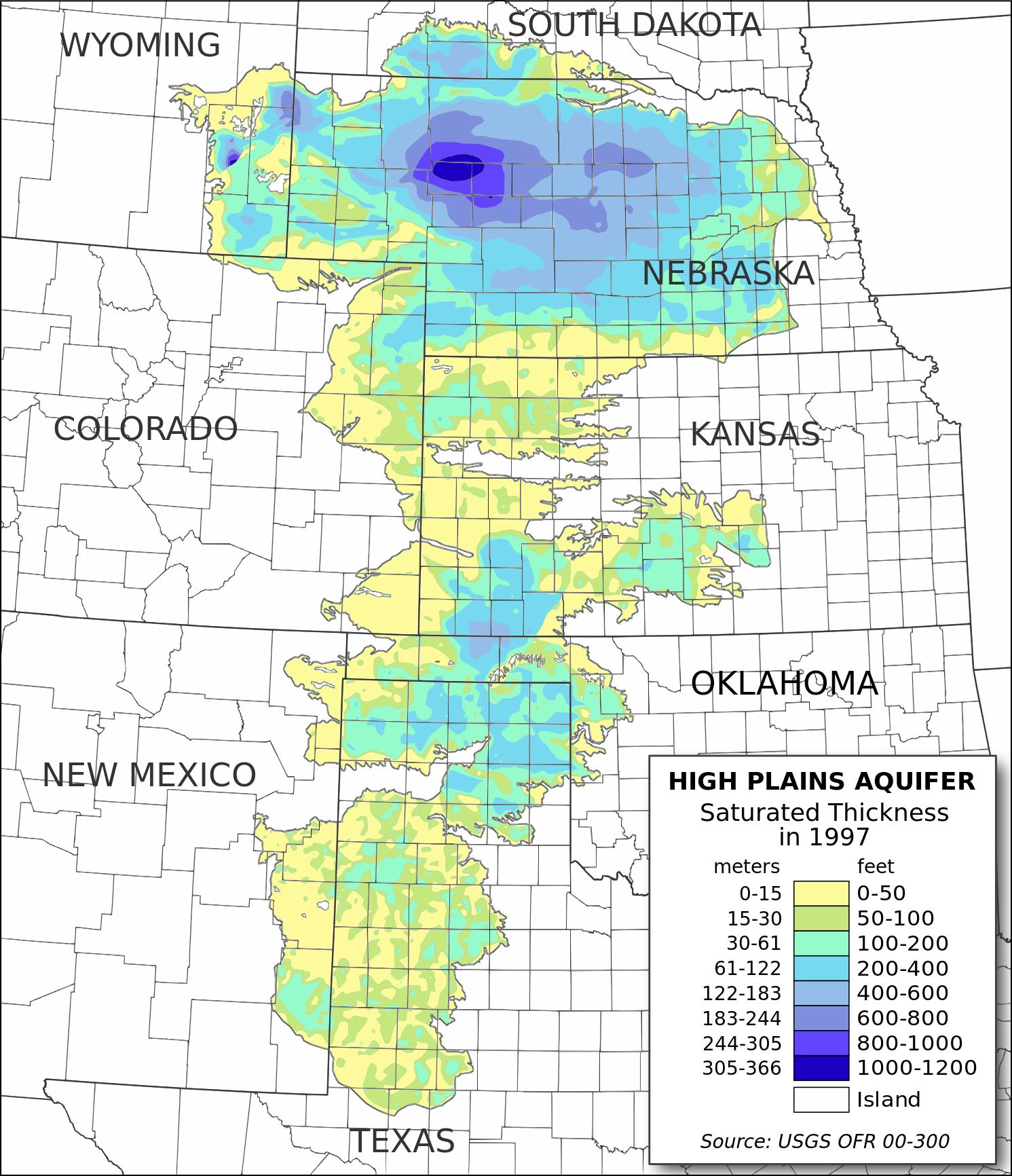
The Ogallala Aquifer underlies much of western and central Nebraska and remains one of the most important natural resources supporting the state’s agricultural economy. For decades, it has enabled highly productive irrigated farming across regions that would otherwise be limited by inconsistent rainfall. However, as reliance on groundwater continues, understanding how the aquifer is managed and how it affects land ownership is essential for farmers, landowners, and investors alike. View the map below to see where the aquifer lies.
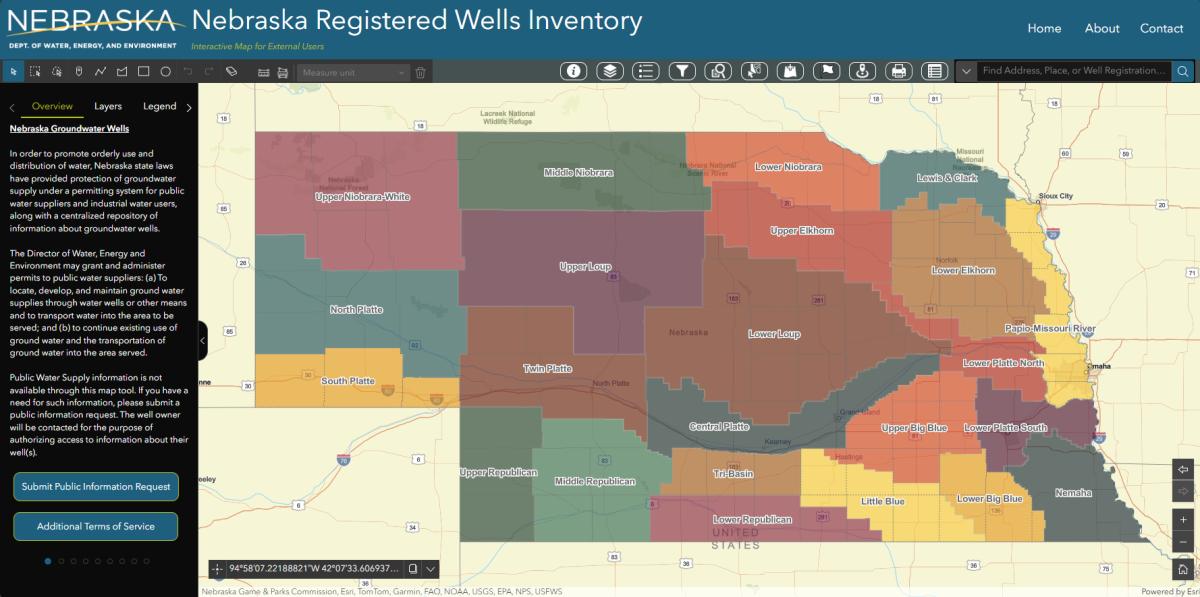
Unlike mineral rights, which often grant landowners ownership of subsurface oil and gas, Nebraska does not provide absolute ownership of groundwater. Instead, water use is regulated at both the state and local level. The Nebraska Department of Natural Resources works in partnership with locally governed Natural Resources Districts (NRDs) to oversee groundwater quantity and quality. These NRDs are unique to Nebraska and play a central role in monitoring water use, issuing permits, and implementing conservation measures tailored to regional conditions.
Over many years of irrigation development, portions of the aquifer, particularly in the western and southwestern parts of the state, have experienced measurable declines in water levels. While Nebraska has generally managed its groundwater more conservatively than some neighboring states, localized depletion remains a concern. In response, many NRDs have adopted rules to protect long-term water availability. These may include restrictions on drilling new irrigation wells, limits on expanding irrigated acreage, or caps on the total volume of water that can be pumped annually.
For farmland owners and tenants, these regulations are more than just policy, they directly influence land value, productivity, and operational flexibility. A tract of irrigated land with strict pumping limits or declining well capacity may not deliver the same long-term returns as one in an area with more stable water levels. As a result, due diligence around water regulations has become a standard part of farmland transactions and lease negotiations.
Understanding local NRD requirements is critical. This includes ensuring wells are properly registered, knowing what irrigation systems are approved, and staying within allocated pumping limits. Violations can result in fines or restrictions that impact future use. Beyond compliance, being informed allows landowners to make proactive decisions that align with both profitability and sustainability.
Looking ahead, many producers and landowners are adapting their practices to extend the life of the aquifer. Advances in irrigation technology have made it possible to use water more efficiently than ever before. Tools such as soil moisture sensors, variable rate irrigation, and real-time data monitoring help farmers apply water only when and where it is needed. These technologies not only conserve water but can also reduce input costs and improve crop performance.
In some cases, landowners are reevaluating how certain acres are used. Marginal irrigated fields, especially those with lower productivity or higher pumping costs, may be transitioned to dryland production or enrolled in conservation programs. These strategies can reduce water demand while still generating income, either through crop production or government-supported conservation payments.
Water considerations are also becoming a more prominent part of lease agreements and investment analysis. Landlords and tenants are increasingly including provisions related to water usage, equipment maintenance, and compliance with NRD regulations. For investors, evaluating groundwater availability and regulatory risk is just as important as assessing soil quality or location.
Ultimately, the future of Nebraska agriculture is closely tied to the long-term health of the Ogallala Aquifer. While it remains a powerful asset for the state, responsible management will determine its sustainability for future generations. By staying informed, adopting efficient practices, and incorporating water considerations into decision-making, landowners and operators can help protect both their operations and the value of their land over time.
Ready to take the next step?
AgWest Land Brokers can help you in your next step to buy or sell land. To see how we can help call 866-995-8067, send an email, or fill out our convenient web form.