
By Nebraska Farmers Network
Published on Feb. 16, 2026
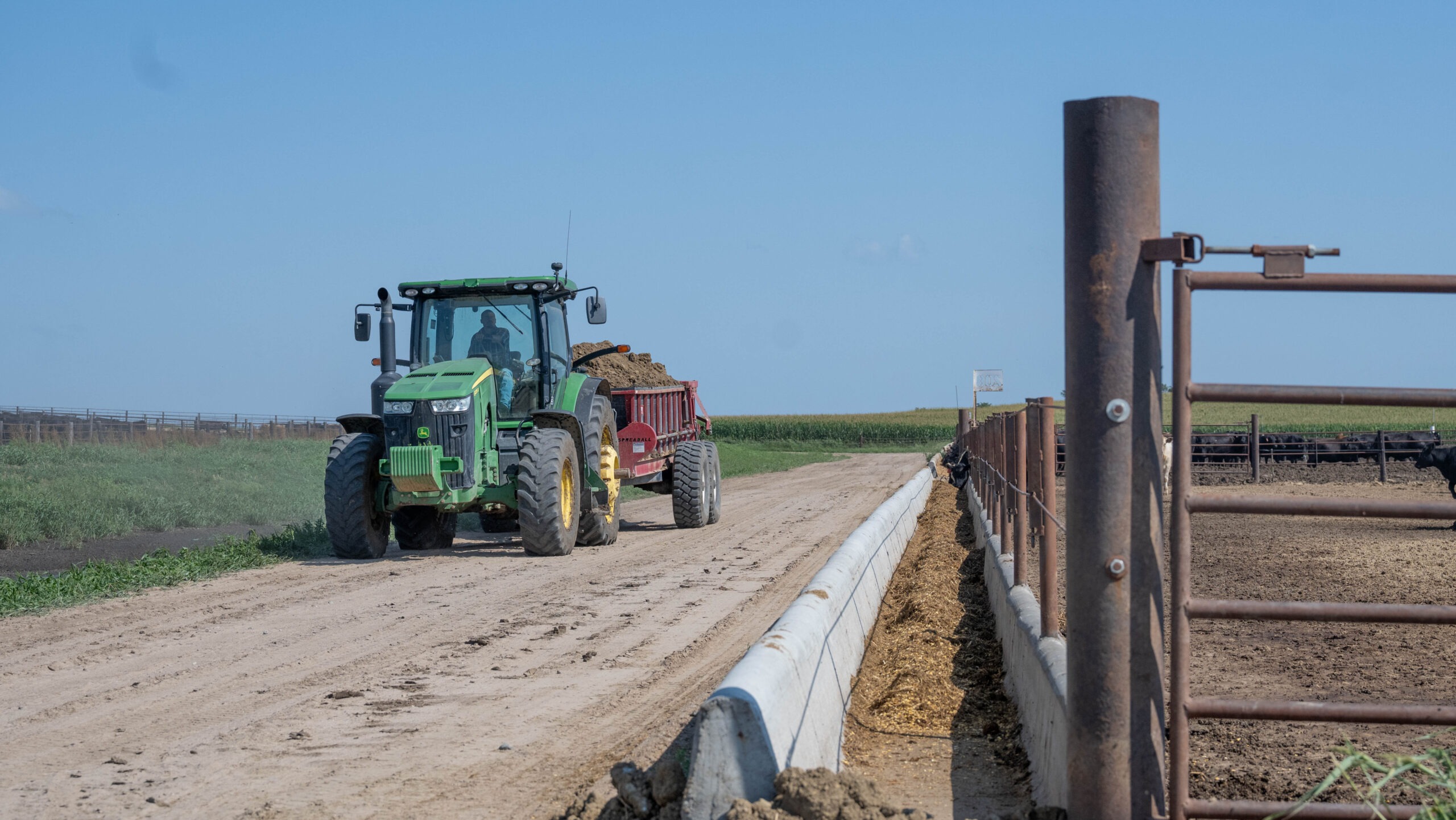
Nebraska is defined by its farm and ranching heritage. According to the Nebraska Department of Agriculture, our state had more than 44,300 farms and ranches in 2024. For many families, that land represents generations of hard work, pride, and the preservation of a legacy.
Data from the USDA National Agricultural Statistics Service in 2022 shows that, while roughly 95% of farms are family-owned, successful transitions across generations are increasingly rare. According to Pinon Global, only about 30% make it from the first to second generation, 10% reach a third, and fewer than 4% survive to a fourth. Succession and transition are critical to keeping farmland family-owned.
Inheriting farmland is rarely simple. It requires preparation, emotional awareness, and a clear understanding of your options. If you’re facing a transition now or expect one in the future, we have tips to guide you through this process and help you find the best outcome.
Give Yourself Time
Inheritance often follows loss, and grief can make decision-making overwhelming. This process does not need to be rushed. It’s okay not to have all the answers right away. Major land decisions should be made with clarity, not under emotional pressure. Take time to gather information and allow time to process before moving forward.
Balance Emotions and Finances
There are two sides to every land transaction: the emotional and the financial.
Your family legacy, memories, and identity were created and exist on this land. There is immense pressure to preserve this land legacy, which may come with a fear of letting your ancestors or future generations down. There are many opinions to consider in this scenario, and the pressure may affect you significantly. When siblings or multiple heirs are involved, differing goals can make this scenario even more complex.
Financially, land ownership comes with real responsibilities. Property taxes, maintenance, and management costs add up. Owning land doesn’t always guarantee a steady income, and turning it into a profitable asset takes work. Some heirs may need liquidity for their own lives, while others want to hold the land long term. These competing priorities can create both emotional strain and financial conflict.
The truth is, these two considerations can come together. It is possible to respect your family’s legacy and land while making practical financial decisions for you and your family.
Start with Open Conversations
Holding a family meeting to get everything on the table is essential. Though it may be a difficult conversation, it is a necessary one to ensure that everything is laid on the table early. In many cases, involving a neutral third party can keep discussions productive and focused.
From there, take the time to thoroughly understand your options. Whether you’re considering holding the land, leasing it, or selling, it’s essential to understand what each path means for your family and the property’s future. Learn your land’s value, explore your choices, and move forward with intention.
Facing challenges with a transition or inheritance plan? You don’t have to navigate it alone.
We’re here to help you find solutions that respect your family’s legacy while supporting your financial goals. Contact us today to learn how we can help you preserve what matters most and keep Nebraska land Nebraskan-owned.
Sources:
https://nda.nebraska.gov/sites/default/files/facts.pdf
https://www.pinionglobal.com/blog/why-family-farm-transitions-fail
https://www.nass.usda.gov/Publications/Highlights/2025/Census22_HL_FamilyFarms_FINAL.pdf